

I 10 migliori strumenti di ricerca giuridica con l’IA recensiti nel 2026

10 Selezione dei migliori strumenti di ricerca legale basati sull'IA


Affrontare le complessità della ricerca legale può essere impegnativo. Hai bisogno di informazioni accurate e aggiornate, ma i metodi tradizionali spesso non sono all'altezza. Gli strumenti di ricerca legale basati sull'IA offrono una soluzione, facendoti risparmiare tempo e riducendo il rischio di errori umani.
Nella mia esperienza di test e valutazione di questi strumenti, ho constatato che possono alleggerire notevolmente il tuo carico di lavoro. Ti aiutano a trovare rapidamente giurisprudenza, leggi e regolamenti pertinenti, consentendoti di concentrarti su ciò che conta davvero: i tuoi clienti.
In questo articolo condividerò la mia selezione dei migliori strumenti di ricerca legale basati sull'IA. Ogni opzione è stata valutata attentamente per assicurarmi che soddisfi le esigenze del tuo team. Scopriamo come questi strumenti possono trasformare il tuo approccio alla ricerca legale.
Perché fidarsi dei nostri consigli sui software
Il nostro team testa e recensisce software dal 2012. In quanto leader di studi legali noi stessi, sappiamo quanto sia difficile — e importante — scegliere il software giusto.
Per questa guida, abbiamo valutato gli strumenti attraverso test pratici e ricerche indipendenti, assegnando un punteggio agli strumenti in base ai nostri criteri di selezione.
Le nostre recensioni riflettono il nostro giudizio editoriale umano, non un discorso di vendita.
Tabella comparativa degli strumenti di ricerca legale basati sull'IA
Questa tabella comparativa riassume i dettagli dei prezzi relativi alla mia selezione dei migliori strumenti di ricerca legale basati sull’IA:
| Tool | Best For | Trial Info | Price | ||
|---|---|---|---|---|---|
| 1 | Ideale per la ricerca collaborativa | Demo gratuita disponibile | Prezzo su richiesta | Website | |
| 2 | Ideale per la gestione dei contratti | Demo gratuita disponibile | Prezzo su richiesta | Website | |
| 3 | Ideale per rapide sintesi dei casi | Prova gratuita di 7 giorni + demo gratuita disponibile | Da $199/utente/mese | Website | |
| 4 | Ideale per l'analisi legale basata sull'IA | Demo gratuita disponibile | Prezzi disponibili su richiesta | Website | |
| 5 | Ideale per approfondimenti in diritto finanziario | Demo gratuita disponibile | Da $450/utente/mese. | Website | |
| 6 | Ideale per citazioni legali precise | Prova gratuita disponibile | Prezzi su richiesta | Website | |
| 7 | Ideale per banche dati complete | Prova gratuita di 7 giorni + demo gratuita disponibile | Prezzo su richiesta | Website | |
| 8 | Ideale per assistenti legali virtuali | Prova gratuita di 7 giorni | A partire da $15/utente/mese | Website | |
| 9 | Ideale per la redazione di documenti legali | Prova gratuita di 7 giorni | Da $25/utente/mese (fatturato annualmente) | Website | |
| 10 | Ideale per l'analisi dei contratti | Prova gratuita + demo gratuita disponibile | Da $149/utente/mese | Website |
Recensioni dei migliori strumenti di ricerca legale basati sull'IA
Di seguito trovi i miei riepiloghi dettagliati dei migliori strumenti di ricerca legale basati sull’IA che sono entrati nella mia selezione. Le mie recensioni offrono un’analisi dettagliata delle funzionalità principali, dei pro e contro, delle integrazioni e dei casi d’uso ideali di ciascuno strumento, per aiutarti a trovare quello più adatto a te.

Ideale per la ricerca collaborativa
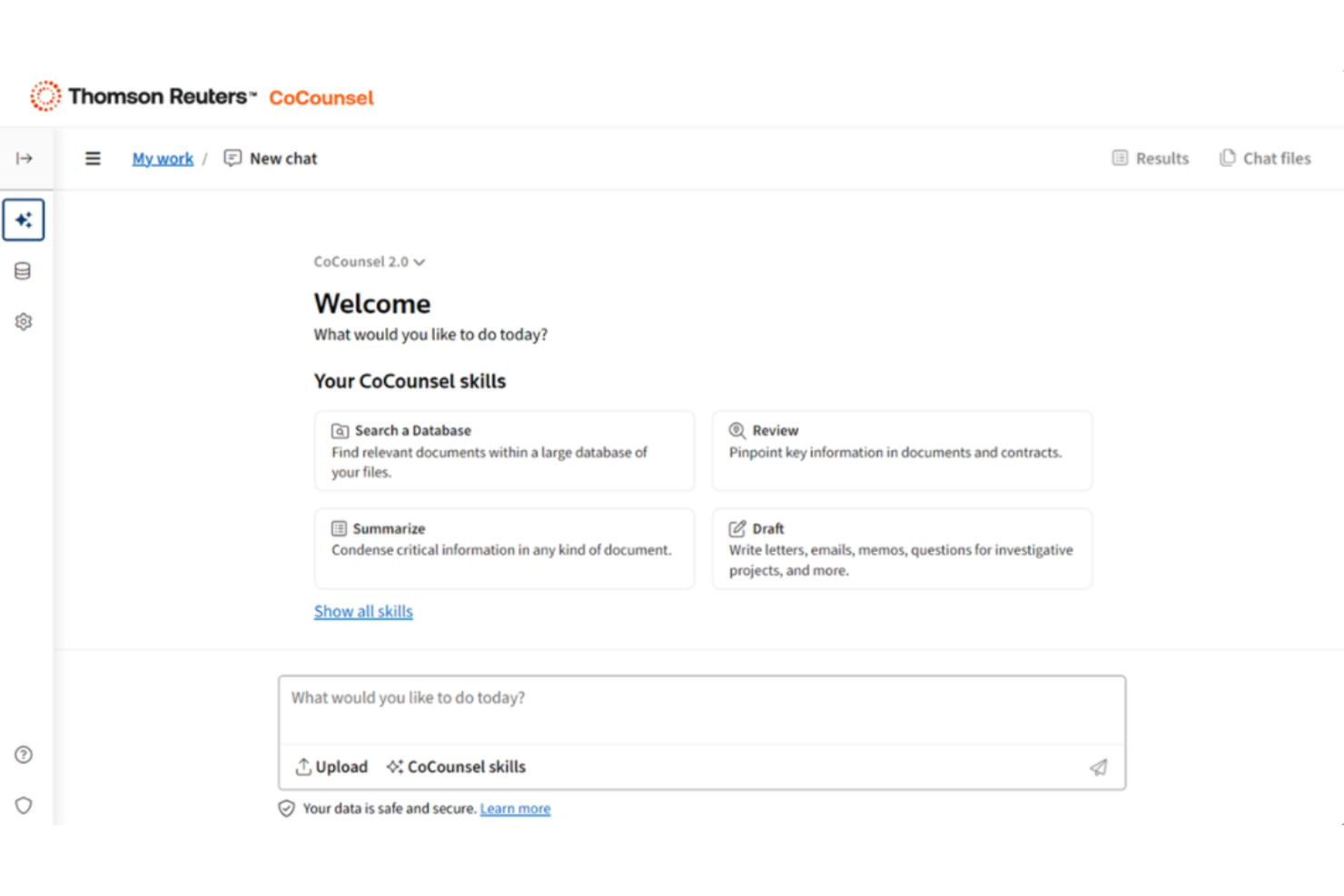
CoCounsel è un assistente AI generativa pensato per i professionisti legali, utilizzato principalmente per aumentare la produttività e ottimizzare i flussi di lavoro giuridici. Serve avvocati e team legali offrendo supporto completo e integrando contenuti legali affidabili per garantire analisi accurate.
Perché ho scelto CoCounsel: CoCounsel eccelle nella ricerca collaborativa fornendo capacità GenAI avanzate per la revisione, il confronto e la sintesi di documenti. Questo permette al tuo team di concentrarsi su compiti strategici mentre lo strumento gestisce i processi di routine. L'integrazione con i contenuti affidabili di Thomson Reuters assicura l'accesso a informazioni legali autorevoli e di qualità. L'elaborazione sicura e le misure di tutela della privacy offrono tranquillità nella gestione di dati sensibili.
Caratteristiche distintive e integrazioni:
Funzionalità includono capacità GenAI avanzate per una gestione efficace dei documenti, aumentando la produttività del tuo team. L'elaborazione sicura protegge i tuoi dati, consentendoti di concentrarti sul lavoro. L'integrazione con contenuti affidabili della piattaforma fornisce analisi legali precise e pertinenti.
Integrazioni includono Microsoft 365 e altre piattaforme Thomson Reuters.
Pros and Cons
Pros:
- Accesso a contenuti affidabili
- Elaborazione dati sicura
- Supporta il focus strategico
Cons:
- Richiede configurazione tecnica
- Complesso per studi piccoli
- Curva di apprendimento elevata

Ironclad
Ideale per la gestione dei contratti
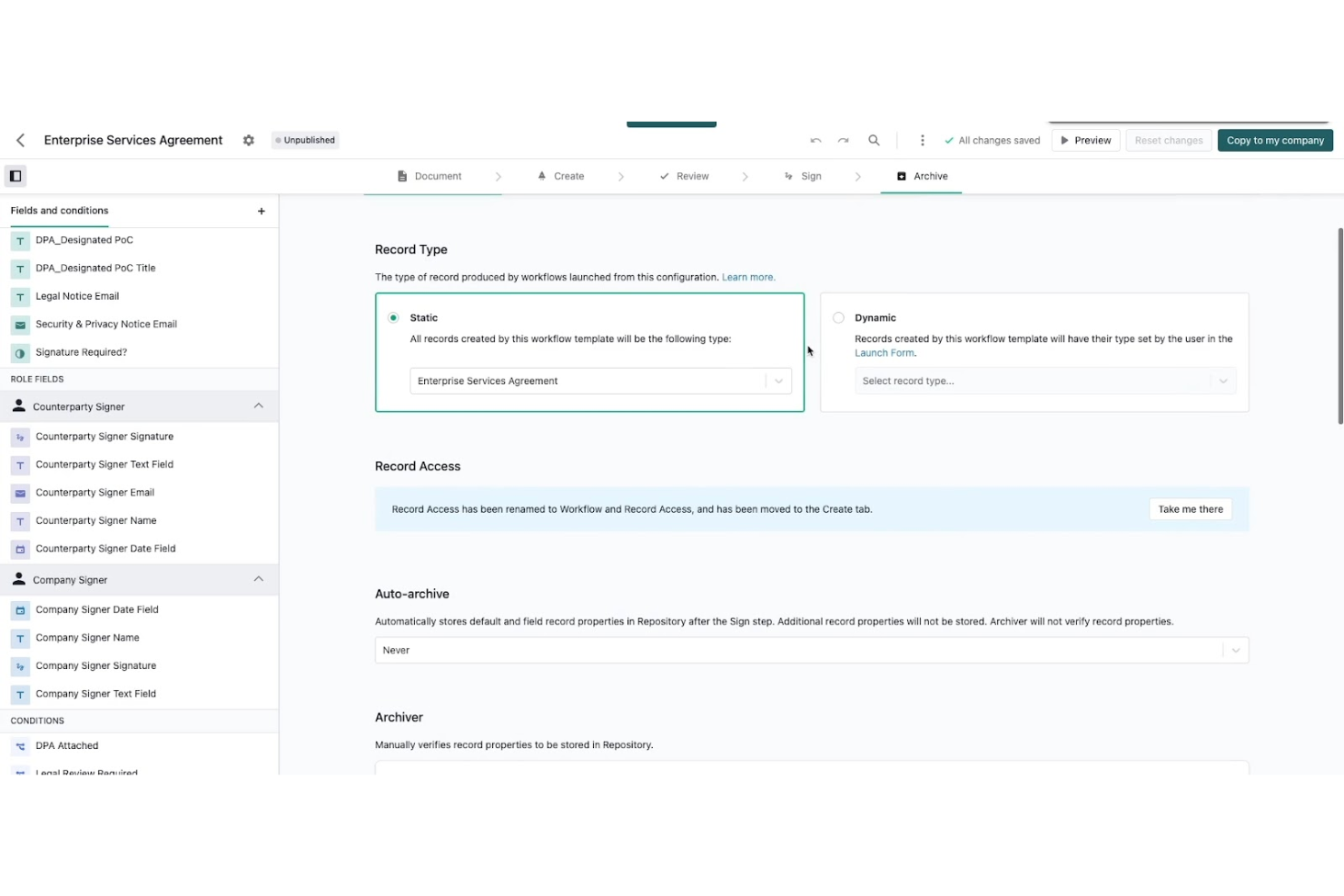
Ironclad è una piattaforma di gestione dei contratti pensata per i team legali e le aziende che necessitano di una gestione efficiente del ciclo di vita contrattuale. Aiuta nella redazione, revisione e gestione dei contratti, garantendo la conformità e riducendo gli oneri amministrativi per gli utenti.
Perché ho scelto Ironclad: Ironclad eccelle nella gestione dei contratti offrendo una piattaforma centralizzata per l’intero ciclo di vita contrattuale. Presenta flussi di lavoro automatizzati che semplificano i processi complessi, permettendo al tuo team di concentrarsi su attività strategiche. I controlli di conformità integrati garantiscono che i contratti rispettino gli standard legali, riducendo i rischi. Il design intuitivo facilita un’adozione rapida, rendendolo uno strumento efficace per gestire i contratti in modo efficiente.
Funzionalità e integrazioni principali:
Funzionalità includono flussi di lavoro automatizzati che ottimizzano le attività contrattuali, facendo risparmiare tempo e sforzi al tuo team. I controlli di conformità della piattaforma assicurano che tutti i contratti rispettino i requisiti legali, riducendo al minimo i rischi. L’interfaccia intuitiva facilita la navigazione e la gestione efficace dei contratti.
Integrazioni includono Salesforce, DocuSign, Adobe Sign, Box, Dropbox, Google Drive, OneDrive, Microsoft 365, Slack e Okta.
Pros and Cons
Pros:
- Gestione centralizzata dei contratti
- Flussi di lavoro automatizzati
- Controlli di conformità integrati
Cons:
- Richiede una configurazione iniziale
- Curva di apprendimento elevata
- Complesso per piccole squadre

Alexi
Ideale per rapide sintesi dei casi
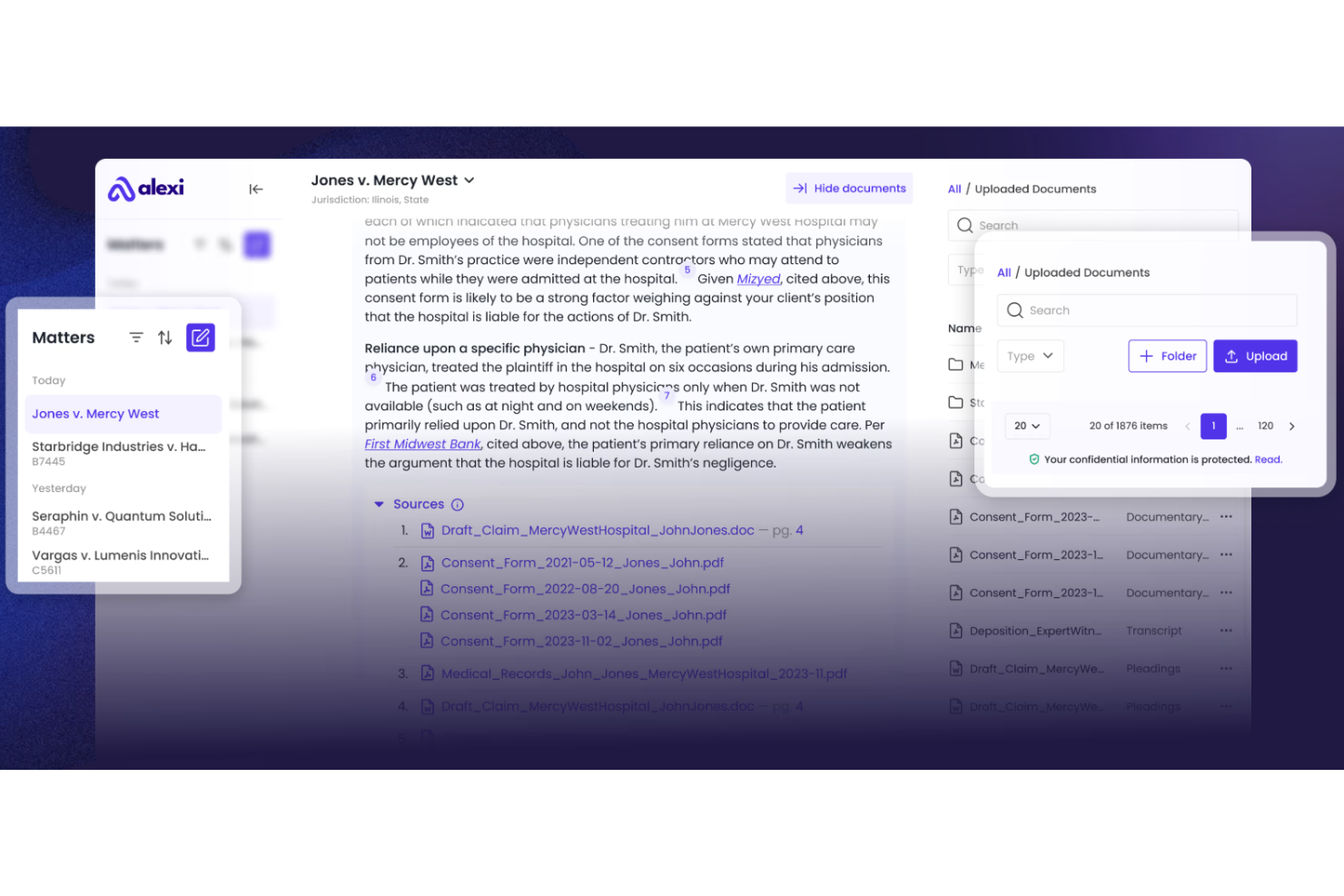
Alexi è uno strumento di ricerca legale progettato per avvocati e team legali che necessitano di un accesso efficiente alle informazioni giuridiche. Aiuta gli utenti fornendo rapide sintesi dei casi e dettagliate analisi legali, rendendo più semplice costruire argomentazioni giuridiche solide.
Perché ho scelto Alexi: Alexi si distingue per la sua capacità di offrire rapide sintesi dei casi, facendoti risparmiare tempo nella ricerca. Il suo vasto database copre un'ampia gamma di argomenti legali, garantendo analisi approfondite. L'interfaccia intuitiva dello strumento consente una facile navigazione, rendendolo accessibile sia ai nuovi utenti che ai professionisti esperti. L'attenzione all'efficienza e all'accuratezza lo rende una risorsa preziosa per i professionisti del settore legale.
Funzionalità e integrazioni principali:
Funzionalità includono un esteso database che offre una copertura legale completa, migliorando i tuoi sforzi di ricerca. L'interfaccia intuitiva dello strumento facilita la ricerca rapida delle informazioni di cui hai bisogno. L'enfasi sulla consegna di sintesi dei casi precise ed efficienti ti aiuta a costruire argomentazioni legali robuste.
Integrazioni includono Microsoft Word e altri sistemi di gestione documentale.
Pros and Cons
Pros:
- Accesso rapido alle sintesi dei casi
- Database giuridico esteso
- Capacità di ricerca efficienti
Cons:
- Non ideale per casi complessi
- Elevata curva di apprendimento per i principianti
- Opzioni di personalizzazione limitate

Harvey
Ideale per l'analisi legale basata sull'IA
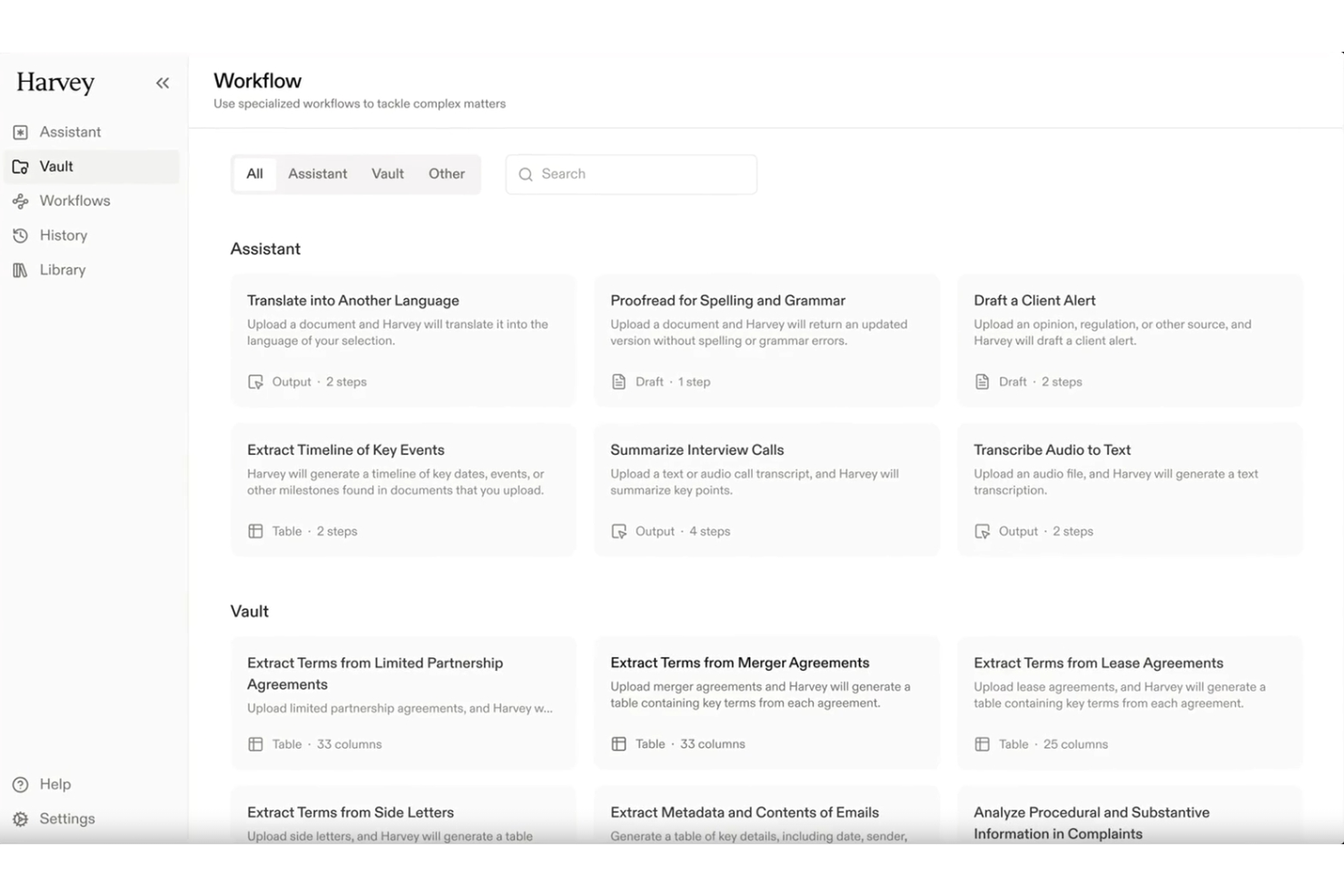
Harvey è uno strumento di analisi legale basato sull'intelligenza artificiale, progettato per studi legali e fornitori di servizi professionali. Assiste i team legali automatizzando le attività di routine e offrendo capacità di ricerca rapida con citazioni accurate.
Perché ho scelto Harvey: Harvey si concentra sull'analisi legale supportata dall'IA, aiutando il tuo team ad automatizzare compiti complessi e a fornire citazioni legali accurate. La sua piattaforma integrata consente una gestione efficiente dei documenti in spazi di lavoro sicuri per i progetti. I grandi modelli linguistici simili a quelli di OpenAI possono aiutare nella revisione dei contratti e nell'analisi di set di dati dell'industria legale utilizzando strumenti di intelligenza artificiale generativa costruiti su misura per la pratica legale. La sicurezza di livello aziendale garantisce che le tue informazioni sensibili siano ben protette.
Funzionalità e integrazioni principali:
Funzionalità includono una piattaforma integrata per la gestione di compiti complessi, che aumenta l'efficienza del tuo team. Le capacità di ricerca rapida con citazioni precise fanno risparmiare tempo e fatica. Spazi di lavoro sicuri per i progetti garantiscono che i tuoi documenti siano protetti e organizzati.
Integrazioni includono Microsoft Office, Google Workspace e Slack.
Pros and Cons
Pros:
- Supporto multi-modello per agenti
- Sicurezza di livello aziendale
- Capacità di ricerca rapida
Cons:
- Prezzi non trasparenti
- Richiede un setup tecnico
- Complesso per team piccoli

Ideale per approfondimenti in diritto finanziario
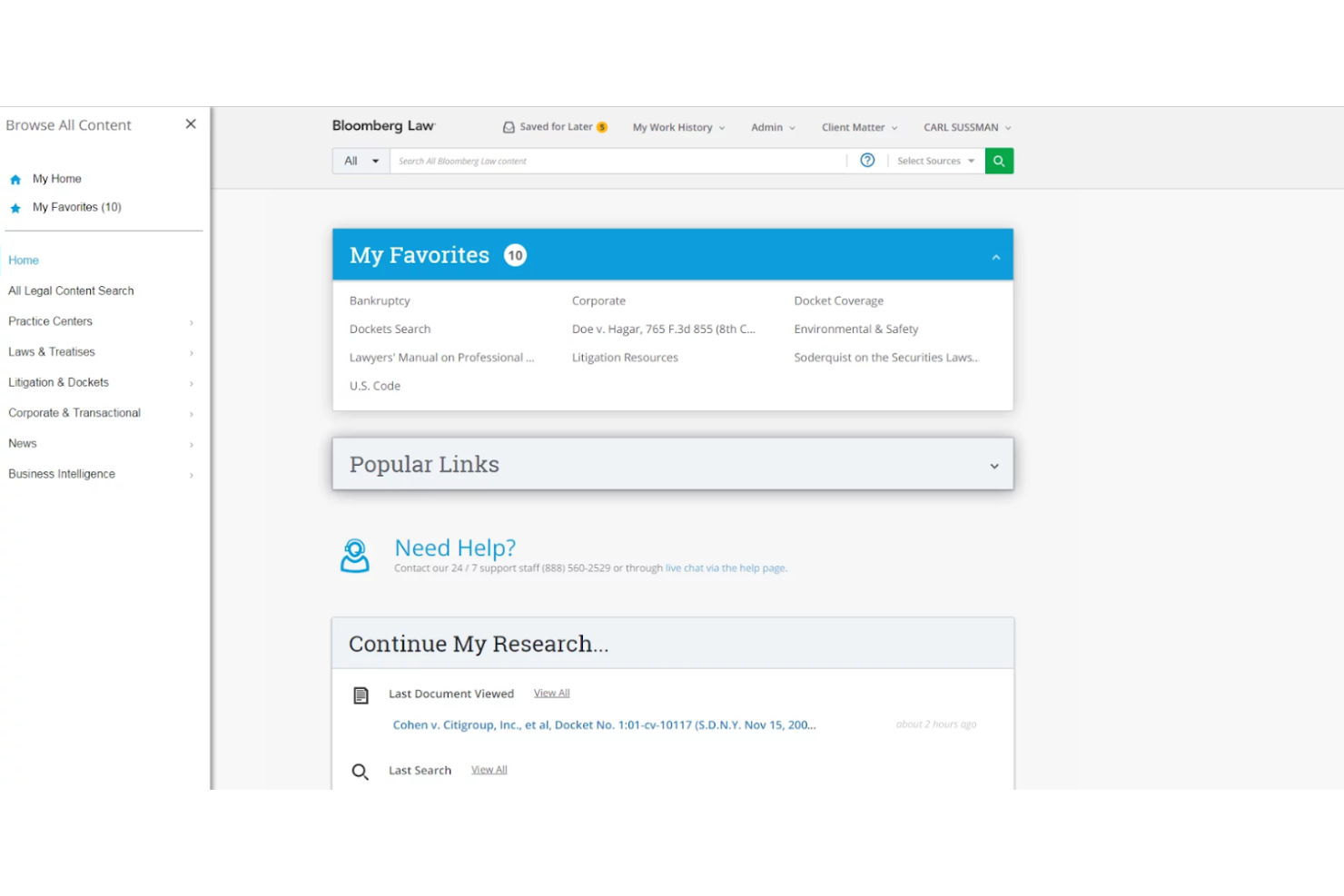
Bloomberg Law è una piattaforma di ricerca legale pensata per i professionisti del diritto che necessitano di approfondimenti dettagliati sul diritto finanziario. Serve avvocati e analisti legali offrendo l’accesso a un vasto database di informazioni legali e aziendali, garantendo la dovuta diligenza su qualsiasi prodotto di lavoro.
Perché ho scelto Bloomberg Law: Questo strumento di ricerca legale alimentato dall’IA è ideale per chi si concentra sul diritto finanziario, offrendo approfondimenti esclusivi non disponibili su altre piattaforme. L’integrazione con i dati finanziari di Bloomberg fornisce una visione completa delle tendenze legali e di mercato. Gli strumenti analitici della piattaforma consentono di interpretare efficacemente informazioni finanziarie complesse. Include inoltre un centro di sviluppo aziendale, allineando le strategie legali alle opportunità di mercato.
Funzionalità principali & integrazioni:
Funzionalità includono aggiornamenti in tempo reale su notizie legali e finanziarie, che mantengono il tuo team sempre informato. Gli strumenti analitici della piattaforma aiutano a comprendere dati complessi e a prendere decisioni consapevoli. Il centro di sviluppo aziendale supporta l’allineamento delle strategie legali alle tendenze di mercato.
Le integrazioni includono Bloomberg Terminal, Bloomberg Tax, Bloomberg Government e Bloomberg Environment.
Pros and Cons
Pros:
- Integrazione con dati finanziari
- Aggiornamenti in tempo reale sulle notizie
- Approfondimenti sulle tendenze di mercato
Cons:
- Accesso offline limitato
- Può risultare eccessivo per piccoli studi
- Navigazione complessa per i principianti

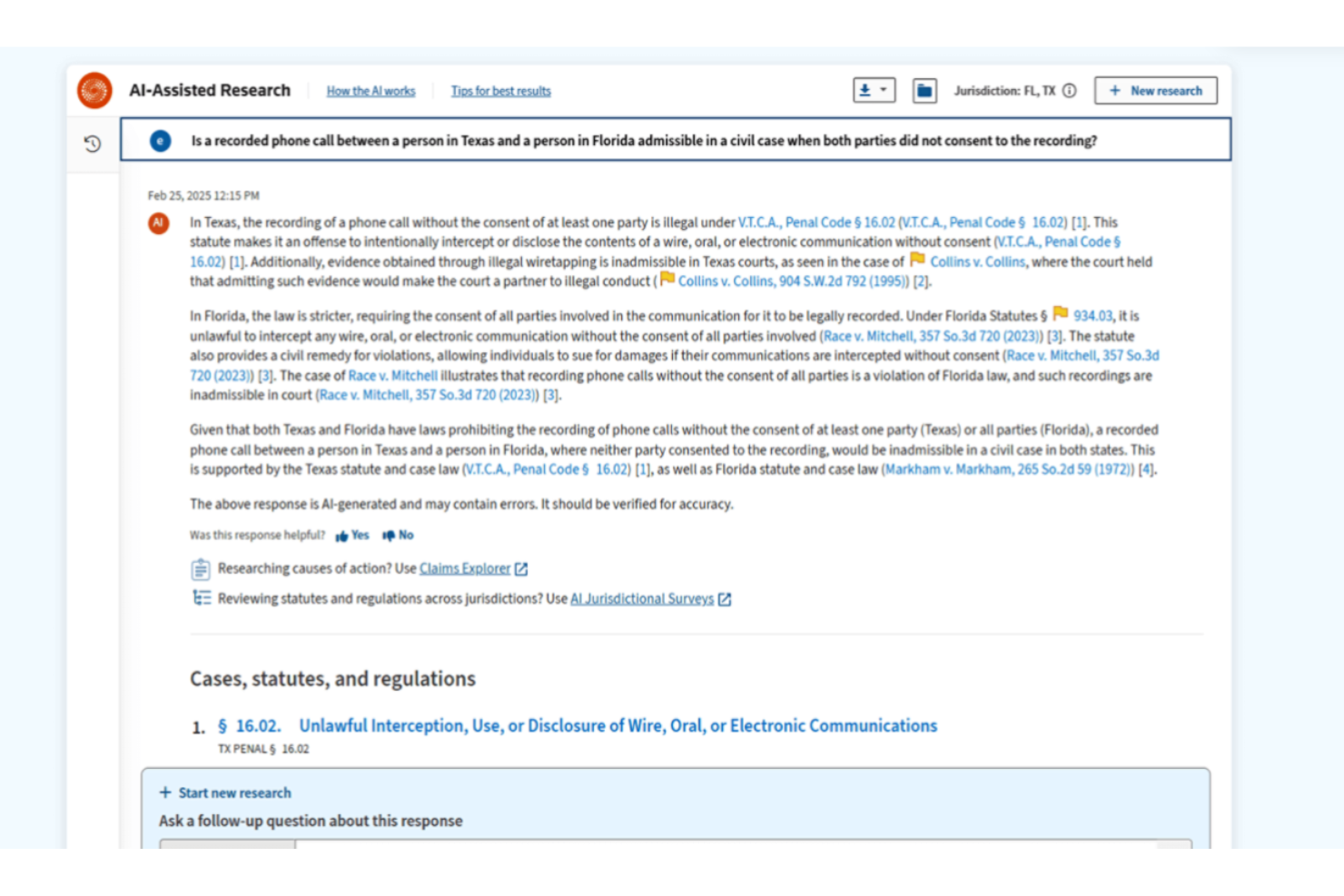
Westlaw Precision è uno strumento di ricerca legale progettato per i professionisti del settore giuridico che cercano capacità di ricerca accurate ed efficienti. I suoi principali utenti includono avvocati e ricercatori legali che necessitano di citazioni legali precise e approfondite analisi sulla giurisprudenza.
Perché ho scelto Westlaw Precision: Westlaw Precision eccelle nel fornire citazioni legali precise, elemento cruciale per i professionisti del settore. La sua funzione di ricerca assistita dall'IA offre risposte pertinenti collegate a fonti affidabili, garantendo l'accuratezza. Il Claims Explorer aiuta a individuare rivendicazioni solide in base ai fatti del caso, così da non tralasciare nessuna richiesta rilevante. Le sue opzioni di filtro avanzate nella Precision Research permettono ricerche rapide e mirate tra i casi.
Caratteristiche principali e integrazioni:
Caratteristiche includono ricerca assistita dall'IA per risposte legali precise. Il Claims Explorer individua rivendicazioni solide basandosi sui fatti dei casi. Quick Check verifica l'accuratezza dei documenti con funzionalità di apprendimento automatico sviluppate per le esigenze dei dipartimenti legali.
Integrazioni includono CoCounsel e altri prodotti Thomson Reuters.
Pros and Cons
Pros:
- Strumenti IA facili da usare
- Sondaggi legali assistiti dall'IA
- Controlli rapidi dei documenti
Cons:
- Curva di apprendimento per i nuovi utenti
- Caratteristiche potenzialmente opprimenti
- Accesso offline limitato

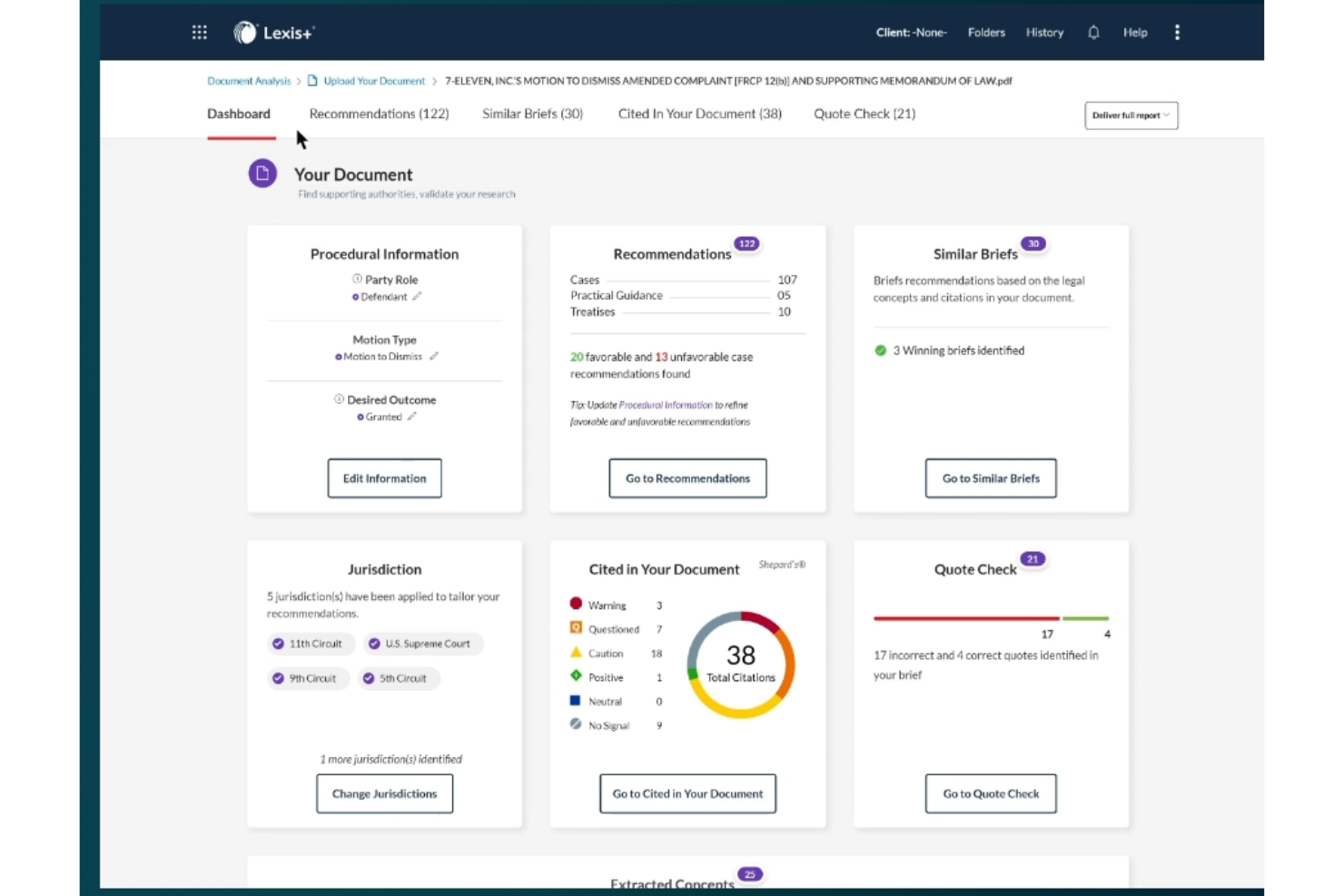
Lexis+ è una piattaforma di ricerca giuridica rivolta ai professionisti del settore legale che necessitano di informazioni legali estese e affidabili. Offre strumenti per la ricerca, l’analisi e le notizie legali, aiutando gli utenti a prendere decisioni informate e costruire casi solidi.
Perché ho scelto Lexis+: Lexis+ mette a disposizione banche dati complete che coprono un’ampia varietà di argomenti legali, rendendola inestimabile per ricerche approfondite. Le sue avanzate funzionalità di ricerca permettono di trovare rapidamente informazioni precise. La piattaforma offre anche strumenti analitici che aiutano a interpretare efficacemente dati giuridici complessi. Grazie a un’interfaccia intuitiva, è facile navigare e accedere alle informazioni necessarie.
Funzionalità e integrazioni principali:
Funzionalità includono avanzate capacità di ricerca che consentono di trovare rapidamente informazioni legali precise. Gli strumenti analitici della piattaforma aiutano a interpretare dati giuridici complessi, migliorando il processo decisionale. Inoltre, l’interfaccia intuitiva garantisce una navigazione semplice e un facile accesso alle informazioni.
Integrazioni includono Microsoft Office e altri sistemi di gestione legale.
Pros and Cons
Pros:
- Basi dati legali estese
- Potenti strumenti analitici
- Accesso rapido alle notizie legali
Cons:
- Curva di apprendimento ripida
- Complesso per piccoli team
- Lungo tempo di configurazione

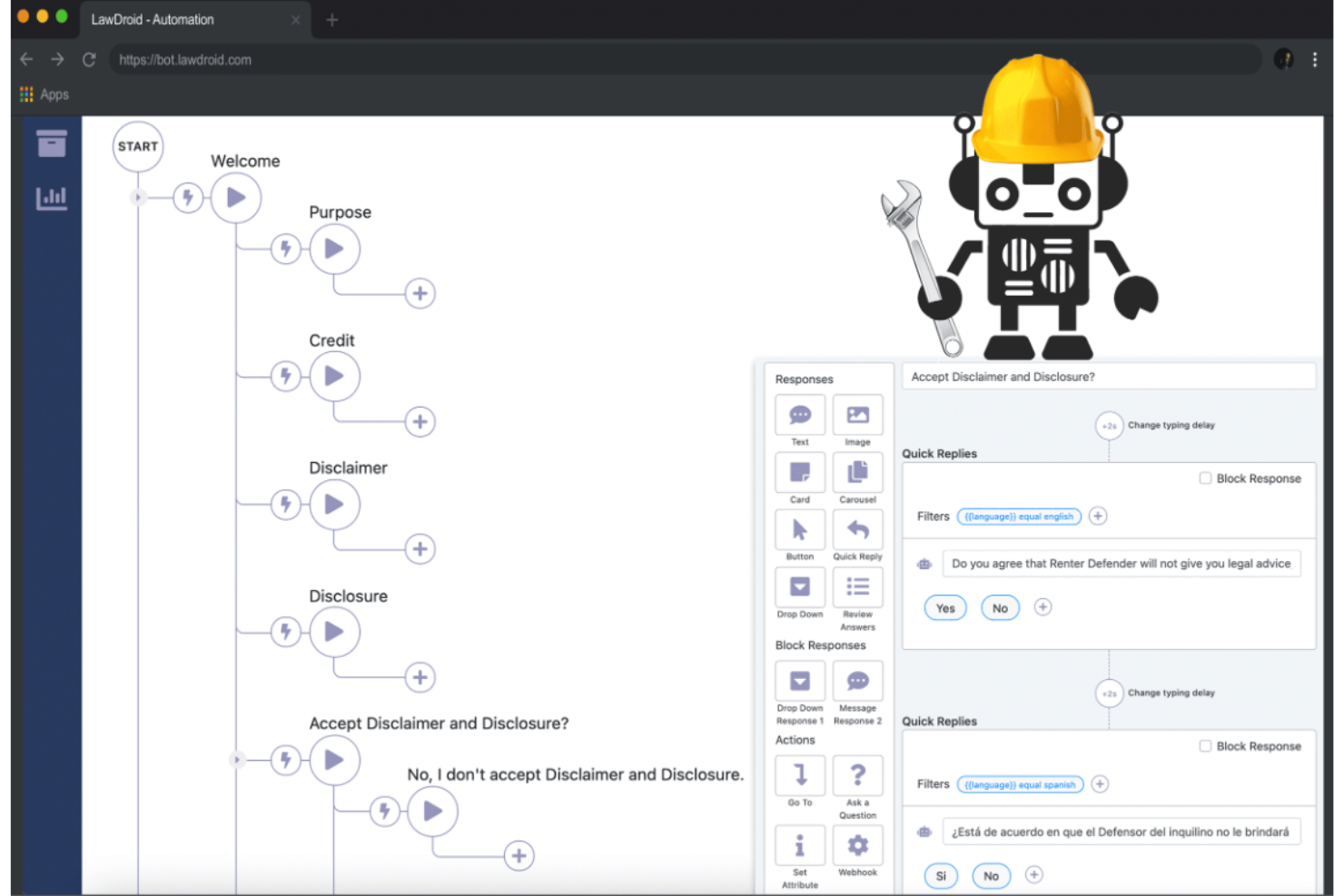
LawDroid è una piattaforma di assistente legale virtuale progettata per professionisti e studi legali che desiderano automatizzare compiti di routine e migliorare l'interazione con i clienti. Serve gli avvocati fornendo strumenti per il coinvolgimento dei clienti, l'automazione dei documenti e la ricerca legale.
Perché ho scelto LawDroid: LawDroid eccelle nell'offrire capacità di assistente legale virtuale, consentendo al tuo team di automatizzare le interazioni con i clienti e gestire in modo efficiente le richieste di routine. La sua funzione di automazione dei documenti aiuta a semplificare la creazione di documenti legali, facendoti risparmiare tempo. La piattaforma offre anche strumenti per un coinvolgimento costante dei clienti, migliorando l'erogazione dei servizi del tuo studio. Il suo focus su automazione ed efficienza la rende una risorsa preziosa per i professionisti legali che vogliono modernizzare la propria pratica.
Caratteristiche distintive & integrazioni:
Caratteristiche includono strumenti automatizzati per l'interazione con i clienti che aiutano a gestire le richieste di routine in modo efficiente. L'automazione dei documenti semplifica la creazione di atti legali, facendoti risparmiare tempo. La piattaforma supporta inoltre un coinvolgimento costante dei clienti, migliorando l'erogazione dei servizi dello studio.
Integrazioni includono Clio, LawPay e Google Workspace.
Pros and Cons
Pros:
- Automatizza le interazioni con i clienti
- Semplifica la creazione dei documenti
- Focus sulla modernizzazione della pratica
Cons:
- Opzioni di personalizzazione limitate
- Elevata curva di apprendimento iniziale
- Complessità per i piccoli studi

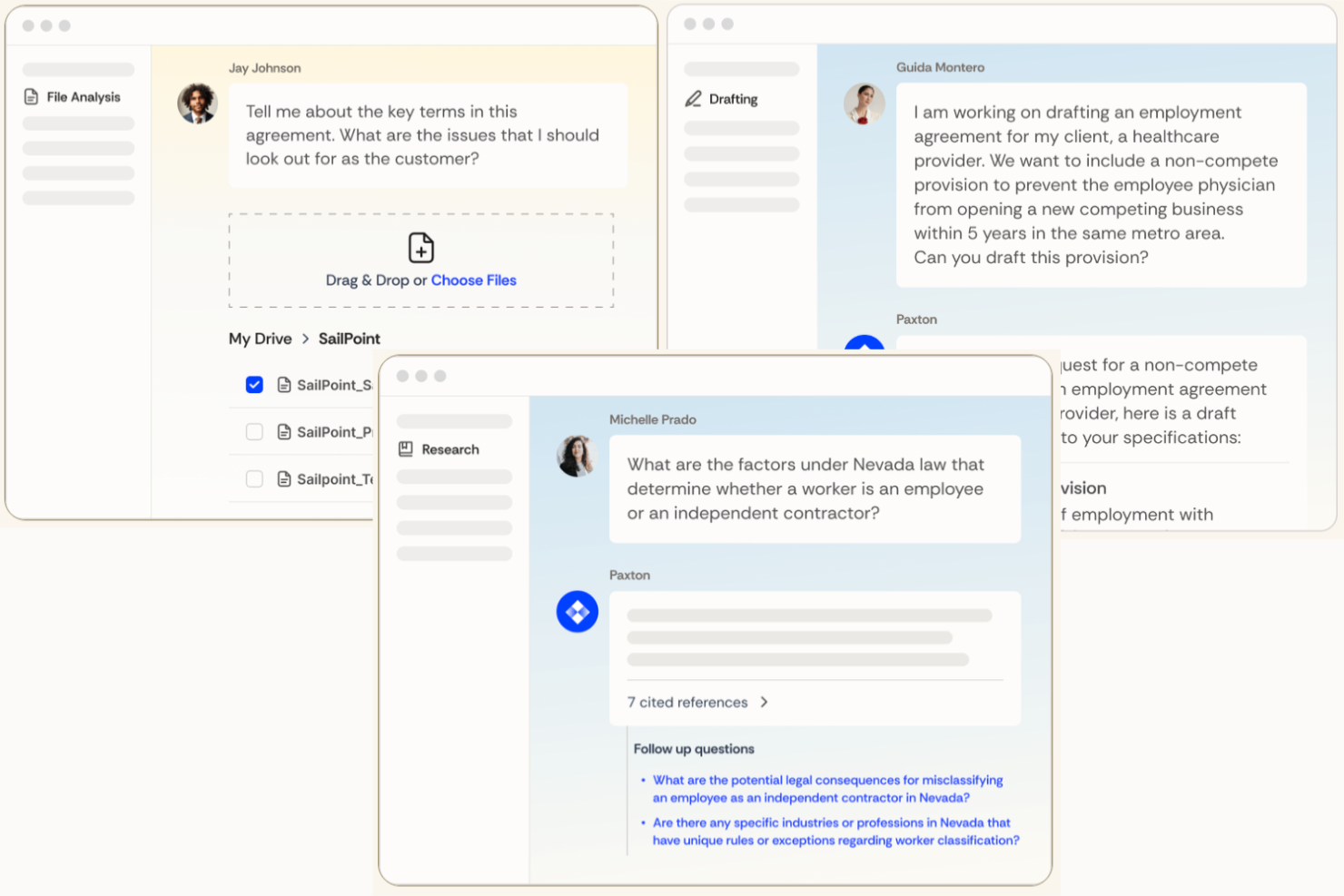
Paxton è un assistente legale tutto-in-uno basato sull’intelligenza artificiale, progettato per i professionisti del settore legale che necessitano di soluzioni efficienti per ricerca, redazione e analisi di documenti. Supporta avvocati e team legali migliorando il loro flusso di lavoro e fornendo approfondimenti legali su misura.
Perché ho scelto Paxton: Paxton è ideale per la redazione di documenti legali, offrendo strumenti alimentati dall’IA che semplificano la creazione di atti. La sua funzione di analisi documentale completa garantisce precisione ed efficienza nel lavoro legale. Le capacità di ricerca contestuale della piattaforma offrono approfondimenti personalizzati, migliorando il processo decisionale. L'accento posto sulla sicurezza dei dati, con conformità SOC 2, assicura che le tue informazioni siano protette.
Funzionalità e integrazioni principali:
Funzionalità includono strumenti di redazione assistiti dall’IA che aiutano a creare documenti legali in modo efficiente. L’analisi completa dei documenti assicura accuratezza nel tuo lavoro. Le capacità di ricerca contestuale forniscono approfondimenti giuridici personalizzati per i tuoi casi.
Integrazioni includono LexisNexis, Westlaw, Bloomberg Law, PACER, HeinOnline, Fastcase, Google Scholar, Microsoft Word e Clio.
Pros and Cons
Pros:
- Redazione efficiente dei documenti
- Attenzione alla sicurezza dei dati
- Conformità SOC 2
Cons:
- Curva di apprendimento elevata
- Complesso per studi di piccole dimensioni
- Tempo di configurazione iniziale

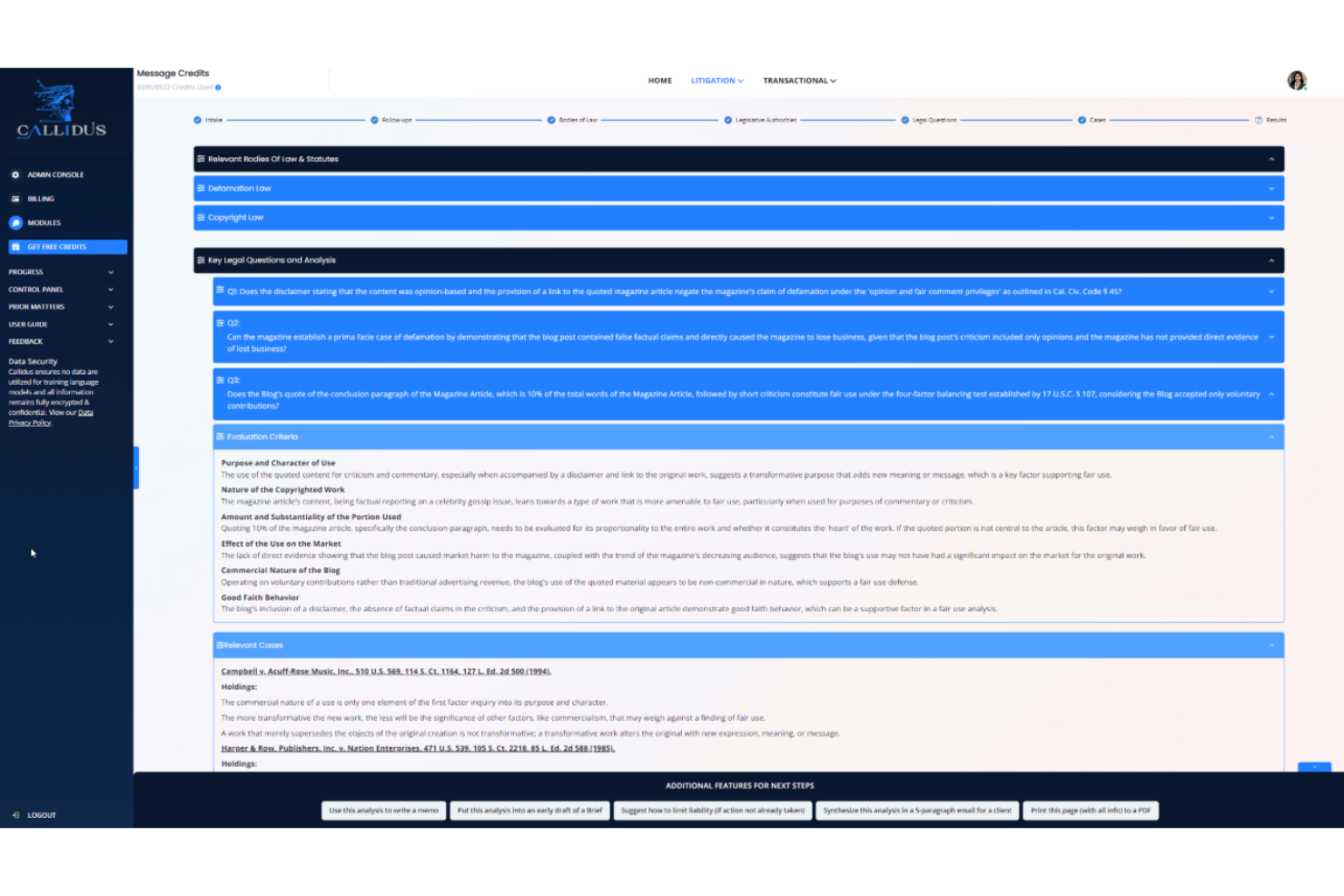
Callidus è una piattaforma di intelligenza artificiale legale progettata per aumentare la produttività dei professionisti del settore legale, inclusi studi legali e team legali aziendali. Automatizza attività come i flussi di lavoro per il contenzioso, la ricerca giuridica e l'analisi dei contratti, aiutando gli utenti a redigere documenti e analizzare i contratti in modo efficiente.
Perché ho scelto Callidus: Callidus eccelle nell'analisi dei contratti consentendo al tuo team di revisionare i contratti dieci volte più velocemente e di ricevere suggerimenti guidati dall'intelligenza artificiale. La funzione di onboarding istantaneo garantisce un avvio rapido senza complicazioni. Le minime allucinazioni nella ricerca legale forniscono risultati accurati e affidabili. L'interfaccia intuitiva consente di completare rapidamente le attività, rendendolo una risorsa preziosa per i professionisti legali.
Funzionalità e integrazioni principali:
Funzionalità comprendono l'automazione dei documenti, che consente al tuo team di risparmiare tempo nelle attività di routine. L'assistente legale AI supporta diversi compiti, migliorando le capacità di ricerca. La capacità della piattaforma di facilitare la ricerca giuridica assicura che tu rimanga aggiornato sugli standard legali attuali.
Le integrazioni includono Microsoft Office, Google Workspace e Slack.
Pros and Cons
Pros:
- Revisione veloce dei contratti
- Minime allucinazioni
- Interfaccia intuitiva
Cons:
- Curva di apprendimento ripida
- Richiede configurazione tecnica
- Complesso per piccoli team
Altri strumenti di ricerca legale basati sull'IA
Ecco alcune ulteriori opzioni di strumenti di ricerca legale basati sull’IA che non sono entrate nella mia selezione, ma che vale comunque la pena prendere in considerazione:
- Cetient
Ideale per il monitoraggio della conformità
- Anycase.ai
Ideale per la ricerca multipiattaforma
- Descrybe.ai
Ideale per i riepiloghi di documenti legali


Come Valuto gli Strumenti di Ricerca Legale con l'IA
Un chatbot su un database di giurisprudenza non è sufficiente: cerco soluzioni di IA che aiutino gli avvocati a trovare autorità pertinenti ed evitare citazioni di giurisprudenza superata. Suddivido la valutazione tra funzionalità di base che uno strumento deve avere e fattori differenzianti che determinano quale sia il più adatto a diversi flussi di lavoro.
Funzionalità di Base (Requisiti Minimi per Questa Lista)
Quando seleziono gli strumenti per la mia lista, valuto ciascuno su una scala da 0 (non offre la funzionalità) a 5 (eccelle in quest'area) per ognuna delle funzionalità di base elencate di seguito. In seguito, calcolo il punteggio totale dello strumento in percentuale. Ogni strumento deve raggiungere un punteggio minimo totale del 65% per essere preso in considerazione.
- Ricerca Legale Basata sull'IA: Verifico se lo strumento gestisce bene le query in linguaggio naturale fino a recuperare autorità pertinenti — non solo corrispondenze di parole chiave — quando si pone, ad esempio, la domanda "dovere di mitigazione nelle controversie relative a locazioni commerciali."
- Copertura del Database Legale: L'ampiezza è fondamentale. Valuto se una piattaforma copre giurisprudenza, leggi e regolamenti sia federali che statali, oppure se esistono lacune che costringono a consultare altri servizi.
- Verifica delle Citazioni: Un buon citatore segnala i casi annullati, distinti o messi in discussione prima che arrivino in una memoria. Analizzo la profondità dell'analisi e quanto chiaramente lo strumento segnala la giurisprudenza "sbagliata".
- Riassunto di Documenti con l'IA: Valuto se l'IA sia in grado di sintetizzare una lunga sentenza di appello o un contratto caricato in un riassunto accurato con i principi chiave, e non solo una semplice compressione dei paragrafi.
- Generazione di Risposte Supportate: Ogni risposta dell'IA dovrebbe rimandare a una fonte verificabile. Cerco citazioni inline verso l'autorità primaria e valuto quanto bene lo strumento minimizzi i riferimenti allucinati che non esistono.
- Integrazione con la Gestione dello Studio: Controllo la presenza di integrazioni native con piattaforme come Clio, iManage o NetDocuments, così che i risultati della ricerca possano confluire nei fascicoli e nei flussi documentali esistenti.
Una volta ottenuta una lista di strumenti conformi ai criteri, considero ciò che rende unica ogni piattaforma.
Fattori Differenzianti (Cosa Distingue i Fornitori)
Ecco come confronto i diversi fornitori:
Funzionalità Distintive
Le analisi sui giudici e tribunali possono influenzare la strategia processuale prima ancora di depositare un atto: cerco strumenti che illustrano statistiche sulle decisioni e sui tassi di successo delle mozioni di giudici specifici. La redazione di memorie e pareri è un'altra area che valuto, in particolare quanto bene uno strumento inserisce citazioni e struttura gli argomenti a partire dalla ricerca effettuata. Considero anche l'analisi dei documenti caricati, laddove sia possibile caricare la memoria della controparte e far sì che l'IA evidenzi punti deboli o trovi contro-autorità.
Oltre le Funzionalità
La sicurezza dei dati è un aspetto fondamentale: verifico se il fornitore garantisce che query e documenti caricati non vengano utilizzati per addestrare i modelli di IA, tutelando così il segreto professionale. Anche la trasparenza sulle allucinazioni è importante. Cerco benchmark pubblici sull'accuratezza o punteggi di fiducia che aiutino a valutare i risultati. Anche la struttura dei prezzi incide sulla scelta: un professionista singolo necessita di accesso per utente o a consumo a prezzi accessibili, mentre uno studio di medie dimensioni può necessitare di una licenza per l'intera sede con query illimitate.
Come scegliere uno strumento di ricerca legale basato sull'IA
È facile perdersi in lunghi elenchi di funzionalità e strutture tariffarie complesse. Per aiutarti a rimanere concentrato mentre affronti il tuo specifico processo di selezione del software, ecco una lista di controllo dei fattori da tenere a mente:
| Fattore | Considerazioni |
| Scalabilità | Assicurati che lo strumento possa crescere insieme al tuo studio. Se prevedi di espanderti, verifica che il software possa gestire una quantità maggiore di dati e più utenti senza problemi. |
| Integrazioni | Cerca la compatibilità con i sistemi che utilizzi attualmente. Lo strumento dovrebbe connettersi perfettamente a piattaforme come Microsoft Office, Google Workspace o altri database giuridici che utilizzi. |
| Personalizzazione | Valuta se lo strumento può essere adattato alle tue esigenze specifiche. Flussi di lavoro e pannelli di controllo personalizzati possono renderlo più efficace per i processi specifici del tuo team. |
| Facilità d'uso | Dai priorità a un'interfaccia intuitiva che riduca al minimo i tempi di formazione. Il tuo team dovrebbe riuscire a utilizzarla facilmente, concentrandosi sul lavoro legale invece che sull'apprendimento del software. |
| Budget | Considera il costo totale, comprese le commissioni nascoste. Confronta i piani tariffari per assicurarti che rientri nel tuo budget soddisfacendo al contempo tutte le tue esigenze. |
| Misure di sicurezza | Assicurati che lo strumento offra una solida protezione dei dati. Cerca la crittografia, la conformità a normative come il GDPR e aggiornamenti di sicurezza regolari per proteggere le informazioni sensibili. |
| Supporto | Verifica la disponibilità dell'assistenza clienti. Un supporto affidabile può essere fondamentale quando affronti problemi tecnici o hai bisogno di aiuto con alcune funzionalità. |
| Funzionalità | Individua le funzionalità principali in linea con i tuoi obiettivi. Che si tratti di analisi avanzate o automazione dei documenti, le funzionalità dovrebbero adattarsi alle tue specifiche attività legali. |
Tendenze degli strumenti di ricerca legale basati sull'IA
Durante la mia ricerca, ho raccolto innumerevoli aggiornamenti sui prodotti, comunicati stampa e registri delle versioni di diversi fornitori di strumenti di ricerca legale basati sull'IA. Ecco alcune delle tendenze emergenti che sto tenendo d'occhio:
- Analisi predittiva: gli strumenti utilizzano sempre più spesso l'analisi predittiva per prevedere gli esiti dei casi. Questo aiuta i team legali a prendere decisioni informate. Alcuni fornitori offrono funzionalità che analizzano i casi passati per prevedere tendenze e potenziali risultati.
- Elaborazione del linguaggio naturale: le funzionalità avanzate di NLP consentono agli strumenti di comprendere meglio il linguaggio giuridico complesso. Questo rende la ricerca giuridica più rapida e accurata. I fornitori stanno integrando l'NLP per migliorare la precisione e la pertinenza delle ricerche.
- Collaborazione in tempo reale: un numero sempre maggiore di strumenti consente la collaborazione in tempo reale tra i team legali. Questa tendenza aiuta i team a lavorare insieme in modo efficiente, anche da remoto. Funzionalità come gli spazi di lavoro condivisi e la modifica in tempo reale stanno diventando comuni.
- Approfondimenti basati sull'IA: i fornitori si stanno concentrando sulla fornitura di approfondimenti basati sull'IA che vanno oltre la ricerca di base. Questi approfondimenti aiutano gli avvocati a identificare schemi o connessioni nascoste nei dati dei casi, aggiungendo valore strategico.
- Considerazioni sull'IA etica: si pone sempre maggiore enfasi sulla necessità di garantire che gli strumenti di IA rispettino gli standard etici. I fornitori stanno integrando funzionalità di trasparenza e controlli sui bias per allinearsi all'etica legale e mantenere la fiducia.
Cosa sono gli strumenti di ricerca giuridica basati sull'IA?
Gli strumenti di ricerca giuridica basati sull'IA sono soluzioni software che sfruttano l'intelligenza artificiale per assistere nello svolgimento della ricerca e dell'analisi giuridica. Questi strumenti sono generalmente utilizzati da professionisti del settore legale come avvocati, assistenti legali e studenti di giurisprudenza per migliorare l'efficienza e l'accuratezza delle loro ricerche. Le funzionalità di analisi predittiva, elaborazione del linguaggio naturale e collaborazione in tempo reale aiutano nell'analisi dei casi, nella comprensione di testi giuridici complessi e nel lavoro di squadra. Nel complesso, questi strumenti consentono di risparmiare molto tempo e di migliorare le capacità decisionali dei professionisti del settore legale.
Funzionalità degli strumenti di ricerca giuridica basati sull'IA
Quando selezioni strumenti di ricerca giuridica basati sull'IA, presta attenzione alle seguenti funzionalità chiave:
- Analisi predittiva: analizza i casi passati per prevedere gli esiti, aiutando i team legali a prendere decisioni informate.
- Elaborazione del linguaggio naturale: comprende il linguaggio giuridico complesso, rendendo le ricerche più rapide e accurate.
- Collaborazione in tempo reale: consente ai team di lavorare insieme in modo efficiente, anche da remoto, attraverso spazi di lavoro condivisi e la modifica in tempo reale.
- Approfondimenti basati sull'IA: fornisce valore strategico identificando schemi o connessioni nascoste nei dati dei casi.
- Automazione dei documenti: semplifica la creazione di documenti legali, facendo risparmiare tempo e riducendo gli errori.
- Dashboard personalizzabili: consente agli utenti di adattare l'interfaccia alle proprie esigenze specifiche, migliorando l'usabilità.
- Sicurezza dei dati: garantisce la protezione delle informazioni legali sensibili tramite la crittografia e la conformità alle normative.
- Database completi: offrono ampie informazioni giuridiche, garantendo funzionalità di ricerca approfondite.
- Interfaccia intuitiva: riduce al minimo il tempo di formazione e consente agli utenti di concentrarsi sul lavoro legale anziché sull'apprendimento del software.
Vantaggi degli strumenti di ricerca giuridica basati sull'IA
L'implementazione di strumenti di ricerca giuridica basati sull'IA offre diversi vantaggi al tuo team e alla tua azienda. Ecco alcuni dei vantaggi che puoi aspettarti:
- Risparmio di tempo: automatizza attività di routine come la redazione di documenti e la ricerca giuridica, liberando tempo per il tuo team da dedicare ad attività più strategiche.
- Maggiore accuratezza: utilizza l'analisi predittiva e l'elaborazione del linguaggio naturale per fornire informazioni giuridiche precise e pertinenti.
- Collaborazione migliorata: le funzionalità di collaborazione in tempo reale consentono ai membri del team di lavorare insieme in modo efficiente, anche quando si trovano in luoghi diversi.
- Migliore processo decisionale: gli approfondimenti basati sull'IA forniscono dati preziosi che aiutano il tuo team a prendere decisioni legali più informate.
- Maggiore sicurezza: offre una solida protezione dei dati con funzionalità di crittografia e conformità, mantenendo al sicuro le informazioni sensibili.
- Efficienza dei costi: riduce la necessità di un'ampia attività manuale, abbassando i costi operativi nel tempo.
- Scalabilità: supporta la crescita della tua azienda gestendo senza problemi l'aumento dei dati e del carico di utenti.
Costi e prezzi degli strumenti di ricerca giuridica basati sull'IA
La selezione di strumenti di ricerca giuridica basati sull'IA richiede la comprensione dei vari modelli e piani tariffari disponibili. I costi variano in base alle funzionalità, alle dimensioni del team, ai componenti aggiuntivi e ad altri fattori. La tabella seguente riassume i piani comuni, i relativi prezzi medi e le funzionalità tipicamente incluse nelle soluzioni di strumenti di ricerca giuridica basati sull'IA:
Tabella comparativa dei piani per gli strumenti di ricerca giuridica basati sull'IA
| Tipo di piano | Prezzo medio | Funzionalità comuni |
| Piano gratuito | $0 | Funzionalità di ricerca di base, accesso limitato al database e supporto della community. |
| Piano personale | $10-$30/ utente/mese | Accesso ai database legali, strumenti per la redazione di documenti e supporto via e-mail. |
| Piano aziendale | $50-$100/ utente/mese | Analisi avanzate, collaborazione in tempo reale e supporto clienti prioritario. |
| Piano aziendale avanzato | $150-$300/utente/mese | Integrazioni personalizzate, funzionalità di sicurezza complete e gestione dedicata dell'account. |
Domande frequenti sugli strumenti di ricerca legale basati sull'AI
Ecco alcune risposte alle domande comuni sugli strumenti di ricerca legale basati sull’AI:
Qual è l'uso appropriato dell'AI nella ricerca legale?
L’AI viene comunemente utilizzata nella ricerca legale per migliorare l’efficienza di attività come la ricerca elettronica (e-Discovery). Durante la ricerca elettronica, gli avvocati possono identificare e organizzare le informazioni archiviate elettronicamente (ESI) in risposta a richieste legali. L’AI contribuisce a semplificare questo processo, facendo risparmiare tempo e migliorando la precisione nella gestione di grandi volumi di dati.
Quali sono i potenziali problemi legali legati all'AI?
L’AI nella ricerca legale solleva diverse problematiche giuridiche, in particolare per quanto riguarda la proprietà intellettuale e la privacy dei dati. Le leggi attuali potrebbero non affrontare adeguatamente la complessità dell’AI, generando incertezze. Le preoccupazioni relative alla privacy emergono poiché i sistemi di AI spesso richiedono enormi quantità di dati, rendendo necessaria un’attenta considerazione del consenso degli utenti e della protezione dei dati.
Esiste uno strumento di AI per creare documenti legali?
Sì, strumenti di AI come DocDraft possono aiutare a creare documenti legali. Questi strumenti offrono una redazione basata sull’AI, consentendo agli utenti di redigere rapidamente contratti, accordi e altri documenti legali. Tali strumenti forniscono un’alternativa efficiente ai servizi legali tradizionali, che richiedono più tempo.
ChatGPT può rispondere a domande legali?
ChatGPT può fornire informazioni su domande legali comuni e termini di base, ma non può offrire consulenza legale personalizzata. È utile per informazioni generali, ma non dovrebbe sostituire il consulto con un avvocato qualificato per questioni legali specifiche.
In che modo gli strumenti di ricerca legale basati sull'AI migliorano la precisione?
Gli strumenti di AI migliorano la precisione utilizzando l’elaborazione del linguaggio naturale per comprendere testi legali complessi e l’analisi predittiva per prevedere gli esiti dei casi. Queste funzionalità aiutano i professionisti del settore legale a trovare informazioni precise e pertinenti, migliorando la qualità della ricerca legale e del processo decisionale.
Quanto sono sicuri gli strumenti di ricerca legale basati sull'AI?
Gli strumenti di ricerca legale basati sull’AI danno priorità alla sicurezza offrendo funzionalità come la crittografia dei dati e la conformità alle normative sulla privacy. Queste misure proteggono le informazioni legali sensibili dagli accessi non autorizzati, garantendo che i dati rimangano riservati e sicuri durante l’utilizzo del software.