


Recensione Practical Law: Pro, Contro, Caratteristiche e Prezzi



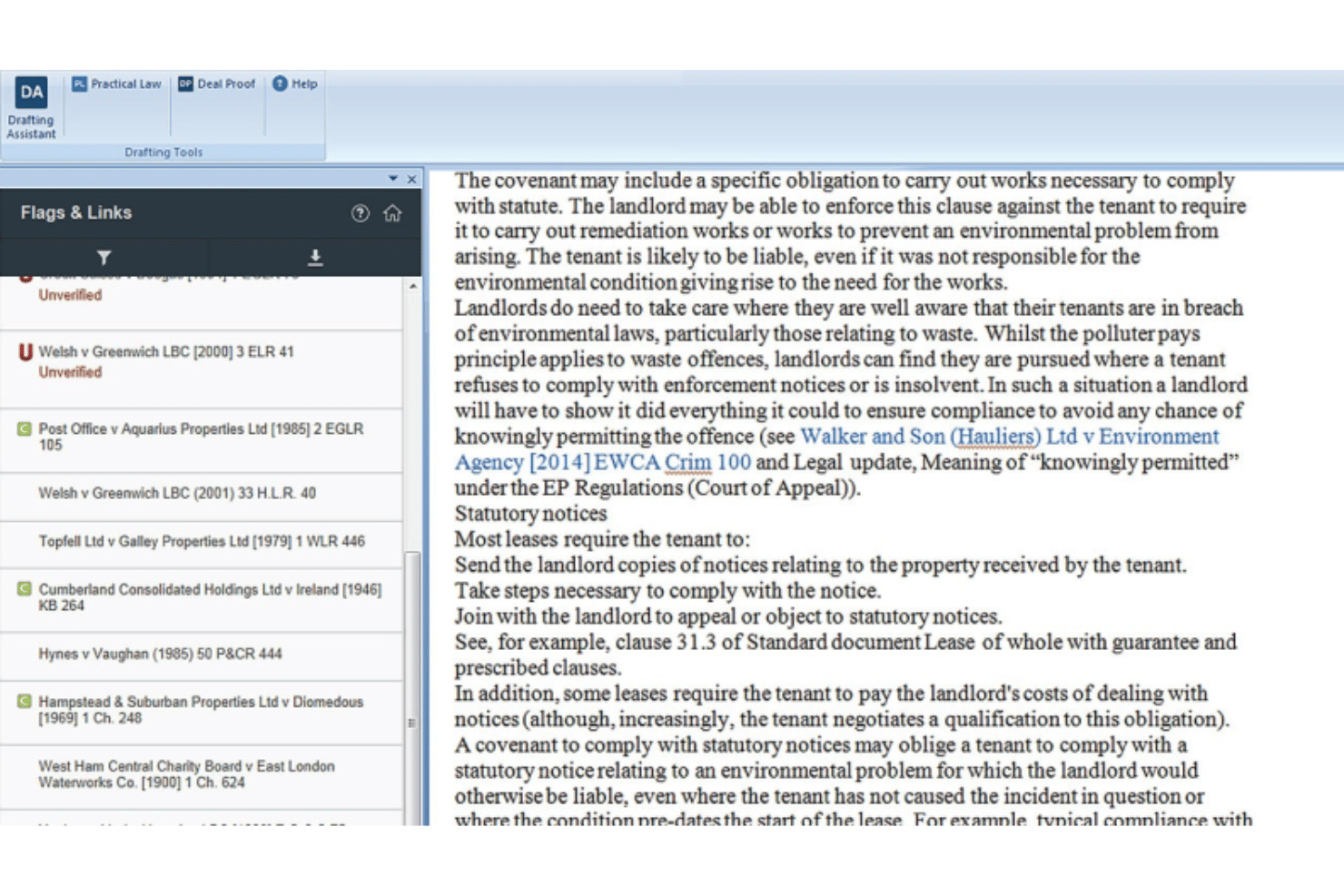
Practical Law is a legal document management software from Thomson Reuters that gives legal teams access to attorney-drafted templates, practice notes, and checklists across dozens of practice areas. I'd mainly consider it if your team handles a lot of transactional or advisory work and needs drafting resources you can rely on right out of the box. Compared to Bloomberg Law, Practical Law's edge is the depth and usability of its practice-ready documents, making it a stronger fit for teams that prioritize drafting support over a research-first platform.
Practical Law Evaluation Summary
- Pricing upon request
- Free demo available
Perché fidarsi dei nostri consigli sui software
Il nostro team testa e recensisce software dal 2012. In quanto leader di studi legali noi stessi, sappiamo quanto sia difficile — e importante — scegliere il software giusto.
Per questa guida, abbiamo valutato gli strumenti attraverso test pratici e ricerche indipendenti, assegnando un punteggio agli strumenti in base ai nostri criteri di selezione.
Le nostre recensioni riflettono il nostro giudizio editoriale umano, non un discorso di vendita.
Practical Law Overview
When I compare Practical Law to other legal management software, I think its curated guidance and up-to-date templates set it apart for teams who need reliable, vetted content. The interface is straightforward, and onboarding is quick, but integration options are limited and pricing can be steep for smaller firms.
I find Practical Law best for in-house counsel or law firms handling complex, high-stakes matters where accuracy and speed matter most. If you’re judging by content quality and expert support, Practical Law is a top pick, though it’s less suited for those seeking deep workflow automation or broad third-party integrations.
pros
-
Fast access to practical answers for complex legal questions
-
Guidance and practice notes written by experienced attorneys
-
Extensive library of up-to-date legal templates and resources
cons
-
Integration options with other legal tools are minimal
-
Pricing is high for small or solo practices
-
Limited workflow automation compared to other platforms
-

CARET Legal
Visit WebsiteThis rating combines scores from multiple user review sites to reflect overall customer sentiment about the product.4.4 -
Mitratech TAP Workflow Automation
Visit WebsiteThis rating combines scores from multiple user review sites to reflect overall customer sentiment about the product.4.2 -
Redactable
Visit WebsiteThis rating combines scores from multiple user review sites to reflect overall customer sentiment about the product.4.8


Come Testiamo e Valutiamo gli Strumenti
Abbiamo trascorso anni a costruire, perfezionare e migliorare il nostro sistema di test e valutazione del software. La nostra rubrica è progettata per cogliere le sfumature della selezione del software e ciò che rende uno strumento efficace, concentrandosi sugli aspetti critici del processo decisionale. Qui sotto puoi vedere esattamente come funzionano i nostri test e la nostra valutazione su sette criteri. Questo ci permette di offrire una valutazione imparziale del software sulla base della funzionalità principale, delle caratteristiche distintive, facilità d’uso, onboarding, assistenza clienti, integrazioni, recensioni dei clienti e rapporto qualità-prezzo.
Funzionalità Principale (25% della valutazione finale)
Il punto di partenza della nostra valutazione è sempre la funzionalità principale dello strumento. Possiede le funzionalità e le caratteristiche di base che un utente si aspetterebbe di trovare? Alcune di queste funzionalità principali sono bloccate su piani tariffari più costosi? Ci aspettiamo che uno strumento sia competitivo rispetto alle capacità di base dei suoi concorrenti.
Caratteristiche Distintive (25% della valutazione finale)
Valutiamo quindi le caratteristiche distintive e non comuni che vanno oltre la funzionalità di base generalmente presente in strumenti dello stesso tipo. Un punteggio elevato riflette caratteristiche specializzate o uniche che rendono il prodotto più veloce, più efficiente, oppure che offrono ulteriore valore all’utente. Valutiamo anche quanto sia facile integrare con altri strumenti tipici della propria infrastruttura tecnologica per espandere la funzionalità e l’utilità del software. Gli strumenti che offrono molte integrazioni native, connessioni di terze parti e accesso API per costruire integrazioni personalizzate ottengono i punteggi migliori.
Facilità d’Uso (10% della valutazione finale)
Consideriamo quanto sia rapido e semplice eseguire le attività definite nella funzionalità principale utilizzando lo strumento. Il software con punteggio più alto è ben progettato, intuitivo da usare, offre app mobili, propone modelli e rende semplici anche le attività relativamente complesse.
Onboarding (10% della valutazione finale)
Sappiamo quanto sia importante una rapida adozione da parte del team per una nuova piattaforma, quindi valutiamo quanto sia facile imparare e usare uno strumento con il minimo di formazione. Esaminiamo quanto rapidamente un membro del team può essere operativo e iniziare a usare lo strumento senza esperienza. Le soluzioni con punteggi elevati richiedono poco o nessun supporto.
Assistenza Clienti (10% della valutazione finale)
Esaminiamo quanto sia rapido e semplice sbloccarsi e trovare aiuto tramite telefono, chat dal vivo o knowledge base. Gli strumenti e le aziende che forniscono supporto in tempo reale ottengono i punteggi migliori, mentre i chatbot ottengono i punteggi peggiori.
Recensioni dei Clienti (10% della valutazione finale)
Oltre ai nostri test e alle nostre valutazioni, consideriamo il net promoter score dei clienti attuali e passati. Esaminiamo la probabilità che, se avessero la scelta, selezionerebbero di nuovo lo strumento per la funzionalità principale. Un software con punteggio alto riflette un alto net promoter score da parte dei suoi utenti.
Rapporto Qualità-Prezzo (10% della valutazione finale)
Infine, considerando tutti gli altri criteri, valutiamo il prezzo medio dei piani entry level rispetto alle funzionalità principali e consideriamo anche il valore degli altri criteri di valutazione. Il software che offre di più, al costo minore, otterrà un punteggio più elevato.
Core Features
Expert Practice Notes
Access plain-language explanations of complex legal issues, written by experienced attorney-editors. These notes help you get up to speed quickly on new matters.
Standard Documents and Clauses
Jumpstart drafting with up-to-date templates, annotations, and negotiation tips. Each document is maintained by legal experts for accuracy and relevance.
Dynamic Tool Set
Use visualization tools and data-driven charts to gain deeper legal insights. This feature helps you navigate unfamiliar areas of law with confidence.
Search & Summarize with AI
Retrieve and synthesize critical legal information fast using CoCounsel AI. Get concise summaries of the most relevant resources for your query.
Attorney-Editor Network
Leverage a global team of 650+ full-time attorney-editors. Their expertise ensures resources are current and tailored to real-world legal challenges.
Timely Content Updates
Stay up to date with resources continuously maintained to reflect evolving laws and regulations.
Ease of Use
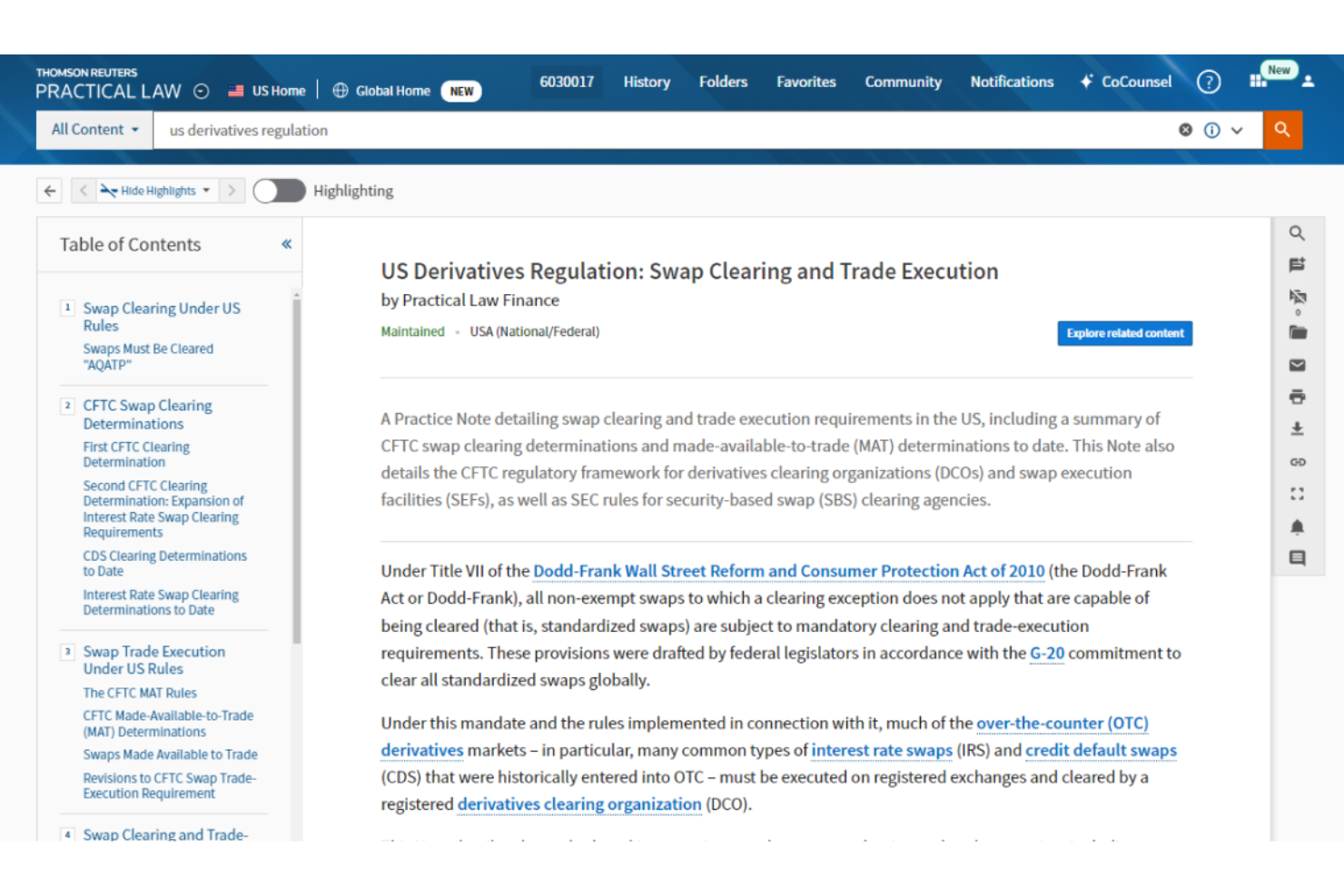
Practical Law is generally easy to use for day-to-day legal work, with strong ratings (around 4–5/5) and users highlighting its quick learning curve and practical templates. You can find answers fast thanks to structured practice notes, standard documents, and AI-assisted search. However, its large content library can feel overwhelming at first, making navigation harder for new users.
Integrations
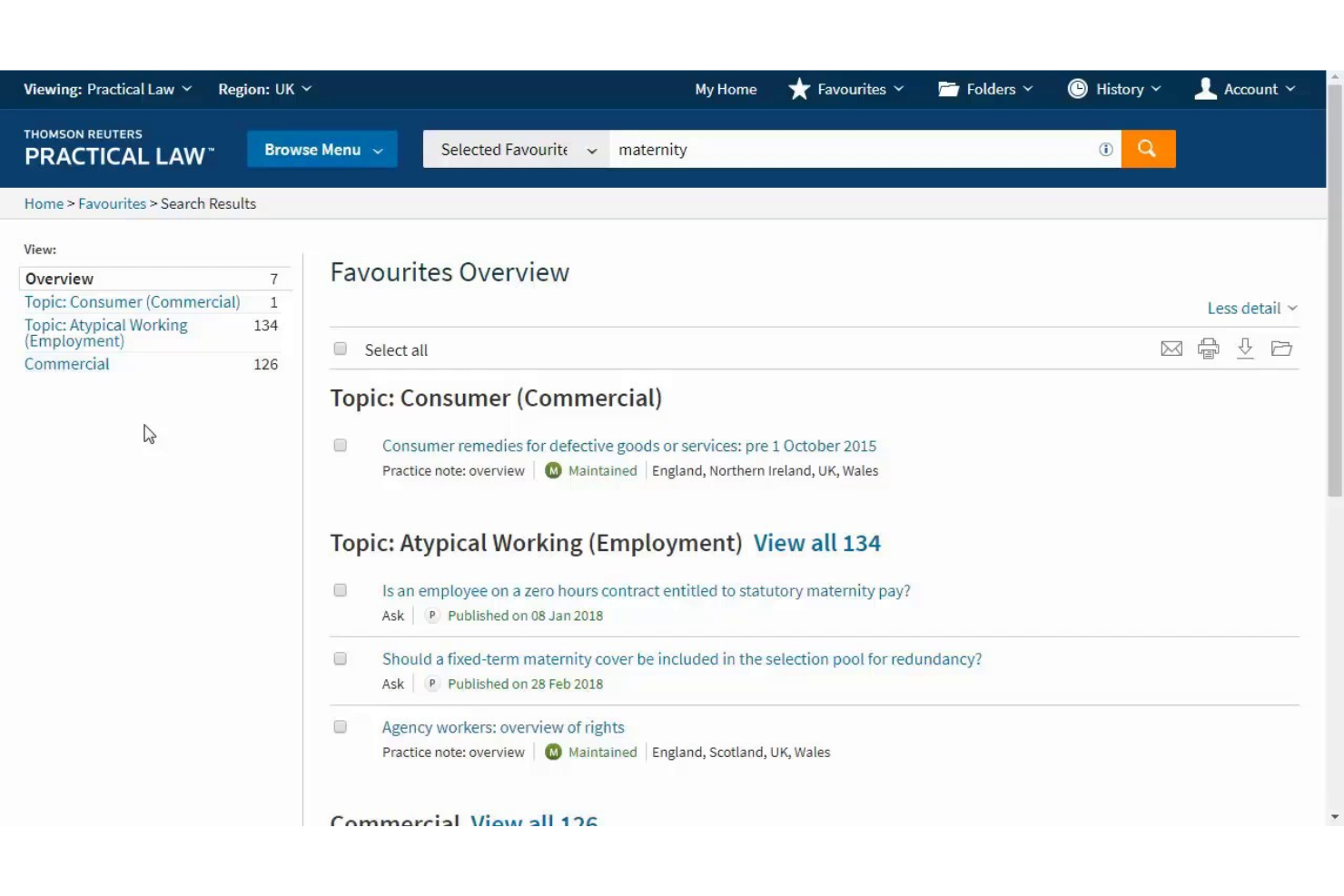
Practical Law integrates with Westlaw, CoCounsel, Contract Express, HighQ, ProView, Legal Tracker, ONESOURCE, CLEAR, Tax Quickfinder, and Practical Law Connect.
Practical Law also offers API access and can connect with other Thomson Reuters products, but does not natively support third-party integration tools.
Practical Law Specs
- 2-Factor Authentication
- API
- Approval Workflows
- Audit Trail
- Calendar Management
- Compliance Tracking
- Contract Management
- Custom Reports
- Customer Management
- Data Export
- Data Import
- Document Management
- External Integrations
- Multi-User
- NDA Management
- Notifications
- Policy Management
- Scheduling
- Workflow Management


