


LEAP Vs. Clio: Comparison and Expert Reviews in 2026



Choosing between LEAP and Clio can feel like a headache when your team relies on legal practice management software to handle everything from casework to compliance. Maybe you need a system that fits the way your firm actually works—or one that clears away the admin clutter so you get back to practicing law. The stakes are high, especially when you don’t want to waste time or budget on the wrong tool.
In this article, you’ll get a clear comparison of LEAP vs. Clio. I’ll break down their pros and cons, real-world use cases, pricing, security, and how they feel day-to-day—so you can decide which one matches your practice.
LEAP vs. Clio: An Overview
LEAP
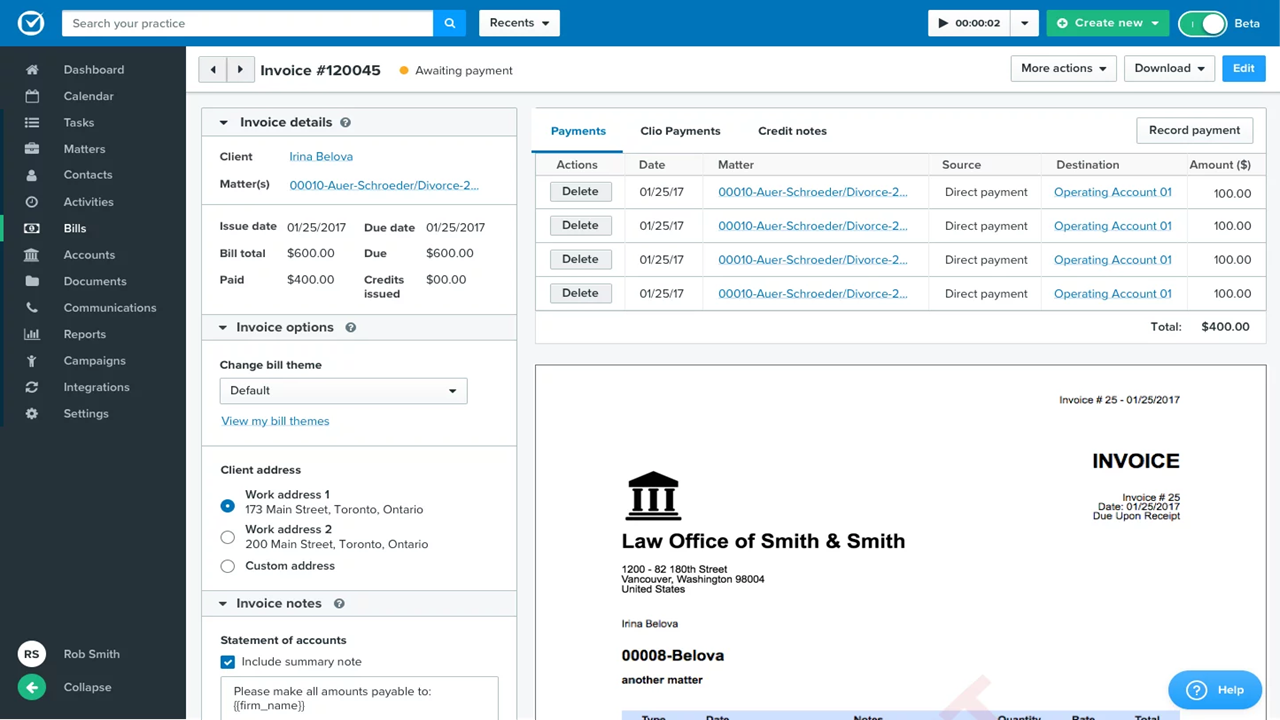
Clio

Why Trust Our Software Recommendations
Our team has been testing and reviewing software since 2012. As legal practice leaders ourselves, we know how difficult—and important—it is to choose the right software.
For this guide, we evaluated tools using hands-on testing and independent research, scoring tools using our selection criteria.
Our reviews reflect our human editorial judgment, not a sales pitch.
LEAP vs. Clio Pricing Comparison
| LEAP | Clio | |
|---|---|---|
| Free Trial | Free demo available | Free trial available |
| Pricing | Pricing upon request | From £79/user/month |
LEAP vs. Clio Pricing & Hidden Costs
LEAP and Clio both work on subscription pricing, but the way they bundle features can affect your total bill. LEAP typically sells itself as an all-in-one package—features like document management, time tracking, and billing come standard. Still, you might run into extra costs for add-ons, advanced integrations, or premium support.
Clio, on the other hand, offers a tiered approach. Core case management comes with every plan, while things like advanced reporting, e-signatures, or extra integrations often sit in higher-priced tiers or require separate purchases. Both vendors will likely charge per user, and watch for onboarding or data migration fees that can add up if you’re moving a large practice onto the platform.
The secret to choosing the right pricing model is to dig beneath the surface. Instead of just comparing monthly fees, make a list of the exact features your firm needs—and count up the potential ‘nice to haves’ you may want later. Ask about charges for onboarding, premium support, and integrations that matter to your firm’s workflows.
Then, talk to each vendor about your list and ask them to walk you through a sample invoice so you know exactly what you’d pay in real life. That way, you’ll get a clearer view of which offer makes sense for your budget without getting tripped up by hidden costs down the line.
LEAP vs. Clio Feature Comparison
Both LEAP and Clio put the essentials front and center—case management, document automation, billing, and time tracking all come standard. You’ll also find trust accounting, secure client communications, calendars, and mobile access in both toolkits, making day-to-day legal work reliably smooth regardless of your choice.
When it comes to what sets them apart, LEAP shines with deep legal content and forms baked right in—especially for firms that want ready-to-use templates tuned for their jurisdiction. Clio, on the other hand, stands out with a huge marketplace of integrations and flexible API access, letting tech-savvy teams customize their workflows and stack up the tools that fit their exact needs.
| LEAP | Clio | |
|---|---|---|
| 2-Factor Authentication | ||
| API | ||
| Approval Workflows | ||
| Audit Trail | ||
| Calendar Management | ||
| Compliance Tracking | ||
| Contract Management | ||
| Custom Reports | ||
| Customer Management | ||
| Data Export | ||
| Data Import | ||
| Document Management | ||
| External Integrations | ||
| Multi-User | ||
| NDA Management | ||
| Notifications | ||
| Policy Management | ||
| Scheduling | ||
| Workflow Management |
LEAP vs. Clio Integration
| Integration | LEAP | Clio |
|---|---|---|
| Microsoft 365 | ✅ | ✅ |
| Xero | ✅ | ✅ |
| QuickBooks Online | ✅ | ✅ |
| LawPay | ❌ | ✅ |
| NetDocuments | ✅ | ❌ |
| InfoTrack | ✅ | ❌ |
| Zoom | ❌ | ✅ |
| Google Drive | ❌ | ✅ |
| API | ✅ | ✅ |
| Zapier | ❌ | ✅ |
LEAP and Clio both cover the legal essentials, but Clio’s vast marketplace—including Zapier and Google Drive—gives you more room to build a stack that fits your team. LEAP does offer deep integrations for legal content and document management, but Clio appeals more if your firm needs broad customization and workflow connections.Security, Compliance, Reliability
LEAP vs. Clio Security, Compliance & Reliability
| Factor | LEAP | Clio |
|---|---|---|
| Data Encryption | Uses bank-grade encryption for data both in transit and at rest, guarding files and messages. | Encrypts all data at rest and in transit with industry-standard protocols for firm and client communications. |
| Regulatory Compliance | Built to meet common legal standards, with built-in trust accounting and audit trails. | Offers compliance features aligned with law society rules, including audit logs and trust accounting tools. |
| Data Residency | Stores data in-region to support local compliance and privacy for international clients. | Lets firms choose data residency to help meet regional regulations and privacy needs. |
| Uptime & Reliability | Commits to high uptime with published service stats, backed by robust disaster recovery. | Guarantees 99.9% uptime SLAs and transparent status updates, plus automated cloud backups. |
| Access Controls | Customizable permissions and user roles to restrict sensitive case information. | Granular control over user access, including two-factor authentication and detailed user permissions. |
Both LEAP and Clio hit the key security and compliance marks for law firms, but Clio’s flexibility with data residency and transparent SLA appeals if you want control and clear guarantees. I think LEAP wins for in-country privacy requirements while Clio gives you peace of mind with its uptime commitment and granular user access controls.
LEAP vs. Clio Ease of Use
| Factor | LEAP | Clio |
|---|---|---|
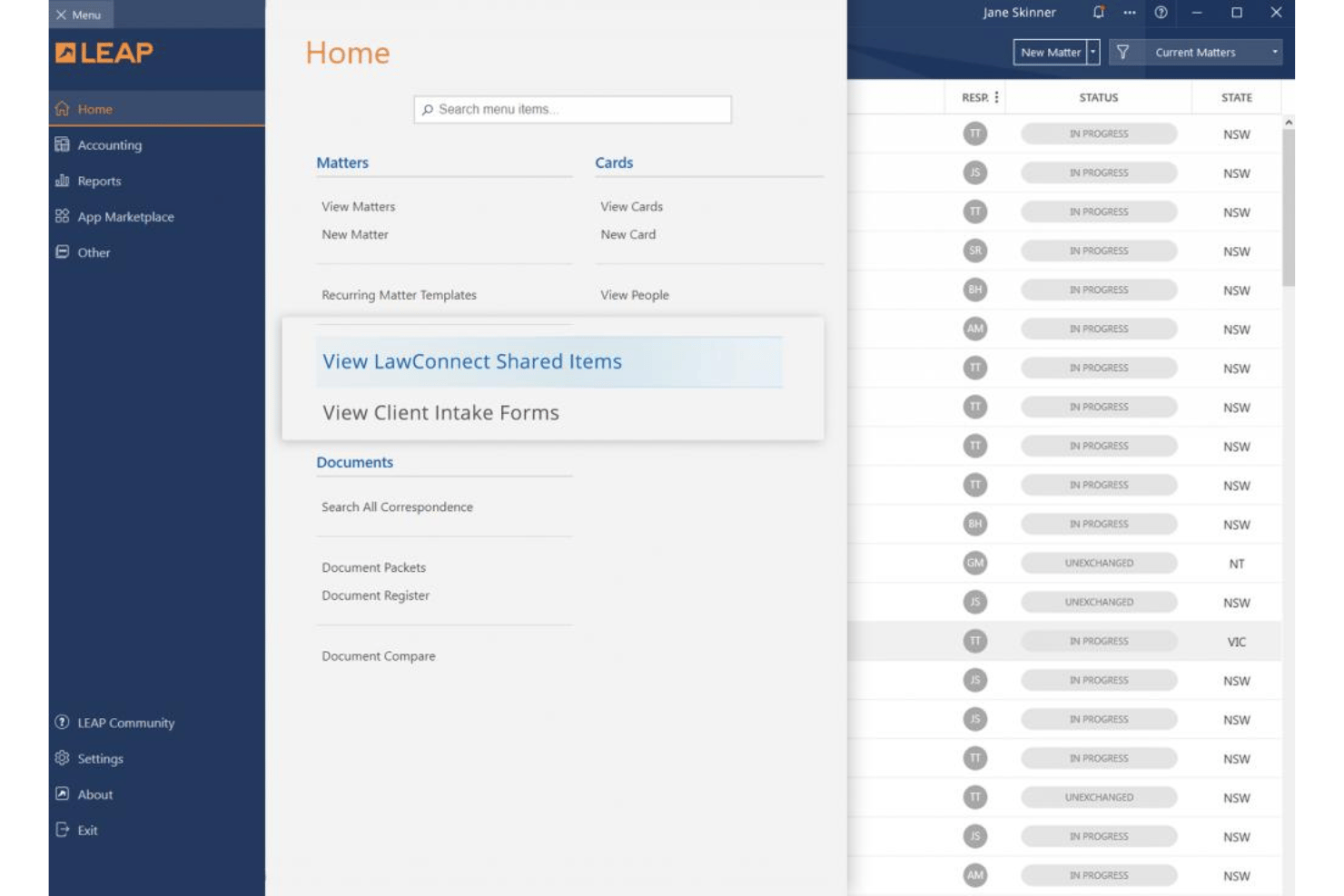
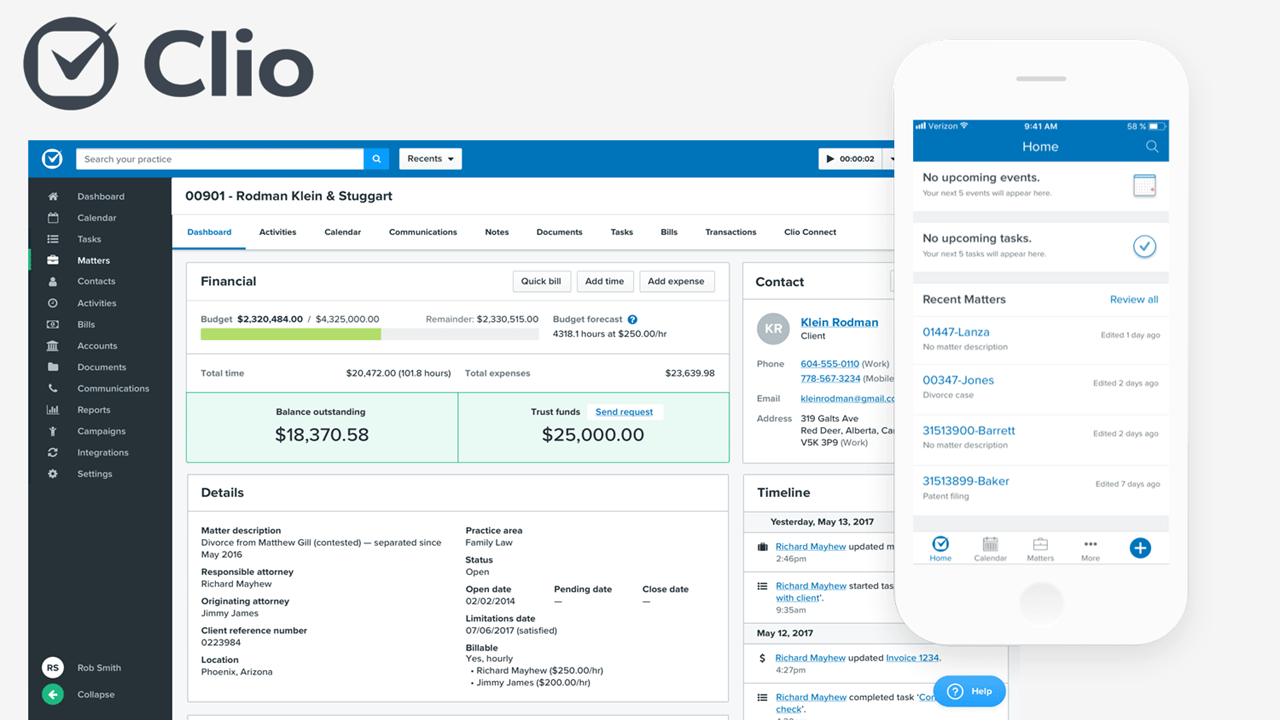
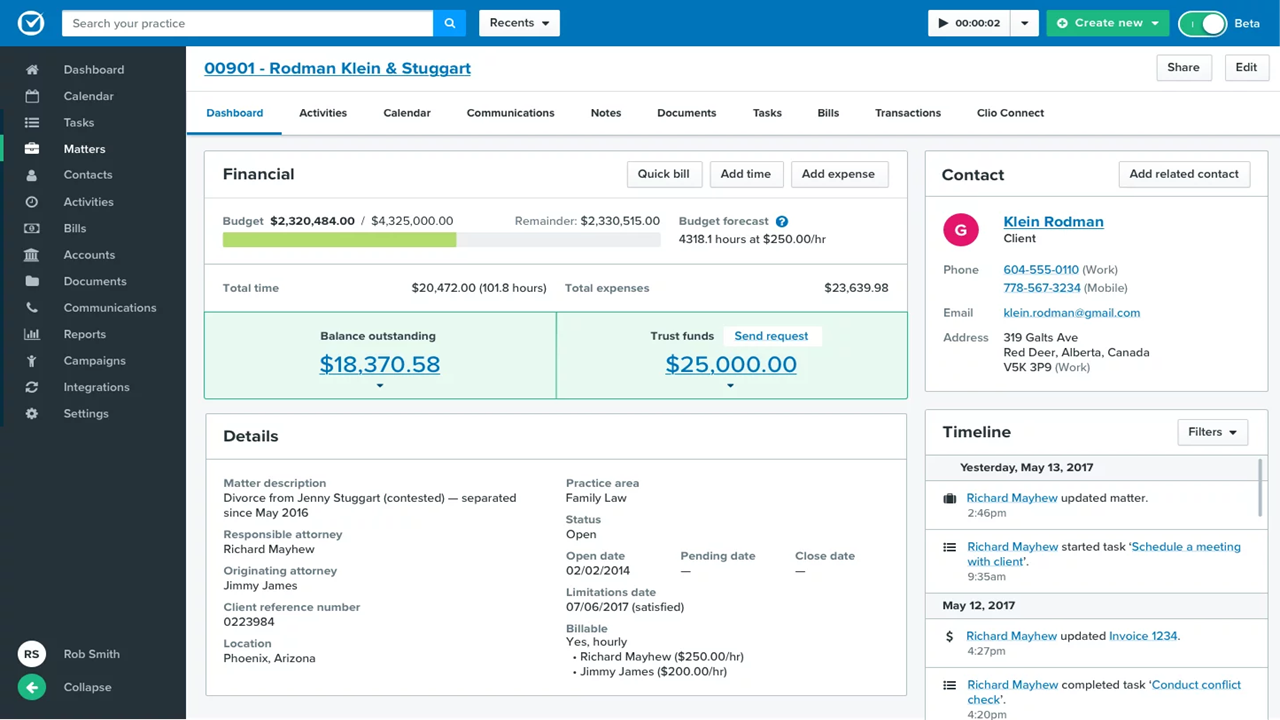
| User Interface | Classic interface designed for legal workflows, but can feel dated and busy to new users. | Modern, intuitive dashboard with clean navigation and quick access to common tasks. |
| Onboarding | Guided setup with legal-specific templates, though some tasks take longer to master. | Streamlined onboarding with in-app tips and a clear learning path for new users. |
| Customization | Built-in legal document templates, but custom workflows require extra setup time. | Flexible workflow customization with drag-and-drop tools and easy settings changes. |
| Support Access | In-app help and regional teams, but response times can vary during peak periods. | Extensive online help center and live chat support, usually fast to respond. |
| Mobile Access | Fully-featured mobile app, yet interface feels busier on smaller screens. | Sleek mobile app with simplified menus and strong feature parity with web version. |
Clio comes out ahead if you want a quick, easy start and a clean interface, while LEAP is a good fit if you favor built-in legal content and don’t mind a busier layout. I find Clio’s user experience to be more polished and beginner-friendly, but LEAP’s legal-specific customizations win if your team prioritizes deep legal workflows.
LEAP vs Clio: Pros & Cons
LEAP
- Document automation saves time on repetitive drafting tasks
- Built-in trust accounting supports compliance with state bar rules
- Mobile app lets you manage cases and billing remotely
- Data migration can be slow and error-prone for some firms
- Some users report slow customer support response times
- Limited compatibility with non-Microsoft email platforms
Clio
- The software provides efficient billing and invoicing tools to streamline your financial tasks.
- Clio offers responsive customer support that helps your team quickly resolve issues.
- You can manage cases and documents easily with Clio's intuitive interface.
- Some users report occasional glitches that disrupt their workflow.
- Advanced customization options are limited compared to other tools.
- Your team might find the onboarding process a bit cumbersome.
Best Use Cases for LEAP and Clio
LEAP
- Solo Practitioners LEAP’s all-in-one platform reduces the need for multiple tools and manual processes.
- Small Law Firms Matter management, billing, and document automation are tailored for firms with limited IT resources.
- Family Law Practices Pre-built templates and forms for family law streamline casework and filings.
- Real Estate Law Integrated conveyancing tools and e-signature support real estate transactions.
- Legal Aid Organizations Cloud access and mobile app help manage high case volumes on the go.
- In-House Legal Teams Centralized document storage and compliance features support internal legal operations.
Clio
- Solo Practitioners You can easily handle client interactions and document management with Clio's straightforward interface.
- Small Law Firms Use Clio's billing and case management tools to help your small firm manage tasks efficiently without the need for extensive resources.
- Family Law Practices Clio's intuitive tools keep your case management organized, ensuring you focus on your clients' needs.
- Legal Departments The platform supports your legal department with responsive customer service and efficient workflow management.
- Real Estate Law Firms Clio's document automation and billing features streamline your work, allowing you to handle transactions smoothly.
- Corporate Legal Departments Clio's powerful features help your corporate team maintain compliance and manage cases effectively.
Who Should Use LEAP, and Who Should Use Clio?
LEAP is a great fit for small to midsized law firms that want deep legal content, jurisdiction-specific forms, and a familiar, lawyer-friendly interface right out of the box. Clio is better for teams that need flexibility, broad integration options, and a clean experience—especially if you want to supercharge workflows or build your own tech stack.
If your practice runs on specialized templates or strict legal workflows, LEAP feels like home. If you want modern usability, a big integration marketplace, and fast onboarding, Clio is the clear pick.
Differences Between LEAP and Clio
| LEAP | Clio | |
|---|---|---|
| Integrations | Focuses on deep, legal-centric integrations like NetDocuments and InfoTrack. | Offers a large app marketplace, including Zapier, Google Drive, and video meetings. |
| Legal Templates | Pre-loaded with jurisdiction-specific forms and legal content tailored for local law. | Fewer built-in templates, but supports custom documents and form creation. |
| Pricing Model | All-in-one subscription with most features standard, plus paid extras and add-ons. | Tiered pricing plans—core features in lower tiers, premium features in higher plans. |
| User Interface | Classic, legal-focused interface with lots of detail and a busier layout. | Modern, clean dashboard designed for quick access and easy onboarding. |
| Workflow Flexibility | Built-in legal workflows, but customizations take extra setup and time. | Highly customizable workflows and automations with drag-and-drop tools and open API. |
| Read LEAP ReviewOpens new window | Read Clio ReviewOpens new window |
Similarities Between LEAP and Clio
| Billing & Timekeeping | Each one offers built-in time tracking, expense logging, and flexible billing, including support for trust accounting and compliance with legal billing standards. |
|---|---|
| Cloud-Based Access | Both solutions run entirely in the cloud, giving your team anywhere access with secure logins, automatic updates, and synced data across devices and locations. |
| Core Case Management | Both LEAP and Clio give you core case and matter management tools—track deadlines, link documents, automate calendaring, and manage contacts all from one dashboard. |
| Mobile Access | LEAP and Clio both provide fully-featured mobile apps, so you can work on cases, track time, and manage documents whether you’re in the office or on the move. |
| Security Compliance | LEAP and Clio meet high legal security standards—bank-grade encryption, audit logs, granular access controls, and data management features tailored for law firm needs. |
| Read LEAP ReviewOpens new window Read Clio ReviewOpens new window | |