

OneNotary Review: Pros, Cons, Features, and Pricing Explained
OneNotary stands out for its user-friendly interface and flexible pricing, making it ideal for small businesses and solo notaries, though it may lack advanced features larger firms need.

We review tools independently, and commissions help fund our testing. See our transparency policy, our methodology, or suggest a tool.
OneNotary is an electronic notary software built for individuals and legal teams who need to get documents notarized on demand, without scheduling an in-person appointment. I'd consider it if your team handles notarizations occasionally rather than at scale. OneNotary offers a straightforward, pay-per-session model instead of a platform designed around high-volume enterprise workflows, like Proof.
OneNotary Evaluation Summary
0/5
- From $49/month
- Free demo available
Why Trust Our Software Recommendations
6,700+
Reviews
20
Industry experts
16+
Evaluation factors
14
Years
Our team has been testing and reviewing software since 2012. As legal practice leaders ourselves, we know how difficult—and important—it is to choose the right software.
For this guide, we evaluated tools using hands-on testing and independent research, scoring tools using our selection criteria.
Our reviews reflect our human editorial judgment, not a sales pitch.
OneNotary Overview
When judging OneNotary against other electronic notary software, its intuitive interface and clear onboarding set it apart for solo notaries and small legal teams. Pricing is transparent and flexible, making it easy to select a plan that matches your volume. While it lacks some advanced integrations and bulk workflow features, its responsive support and straightforward document management make it a strong choice for those prioritizing simplicity and compliance. If you’re determining the best fit for a small firm or remote notary service, OneNotary’s ease of use and reliable core features make it a practical option.
Pros
- Offers live video notarization with secure ID verification.
- Provides downloadable audit trails for every completed notarization.
- Supports notarizations for both individuals and businesses.
Cons
- Lacks advanced workflow automation for high-volume firms.
- Limited options for custom branding on client-facing pages.
- No built-in integration with popular practice management tools.
Is OneNotary Right For Your Needs?
Who Would be a Good Fit for OneNotary?
OneNotary is a strong choice for professionals and teams that need secure, compliant online notarization without complex setup or high-volume automation. Its straightforward interface, live video notarization, and downloadable audit trails make it especially useful for small businesses, solo practitioners, and client-facing roles that value reliability and ease of use. If your work involves frequent but not high-volume notarizations, OneNotary’s features and pricing are well aligned with your needs.
- Solo NotariesOneNotary’s simple setup and pay-per-use pricing suit independent notaries handling individual clients.
- Small Law FirmsThe platform’s secure video notarization and audit trails support legal compliance for boutique practices.
- Real Estate AgentsRemote notarization and document management help agents close deals with clients in different locations.
- Title CompaniesOneNotary’s business account options and downloadable records fit title transfer workflows.
- Financial AdvisorsSecure ID verification and audit trails support compliance for financial document signings.
- HR DepartmentsRemote onboarding and employment verification are supported by OneNotary’s online notarization tools.
Who Would be a Bad Fit for OneNotary?
OneNotary may not meet the needs of large enterprises or teams that require deep integrations, advanced workflow automation, or high-volume processing. If your organization relies on custom branding, bulk notarization, or seamless integration with practice management systems, you may find OneNotary’s current feature set limiting compared to more specialized solutions.
- Large EnterprisesOneNotary lacks advanced workflow automation and bulk processing for high-volume needs.
- Corporate Legal DepartmentsNo built-in integration with enterprise legal management tools limits workflow efficiency.
- Mortgage LendersLimited custom branding and automation may not meet industry-specific requirements.
- Insurance CompaniesHigh-volume document processing and integration needs are not fully addressed.
- Government AgenciesStrict compliance and integration demands may exceed OneNotary’s current capabilities.
- Tech StartupsTeams needing API access or custom integrations may find the platform restrictive.
How We Test & Score Tools
We’ve spent years building, refining, and improving our software testing and scoring system. The rubric is designed to capture the nuances of software selection and what makes a tool effective, focusing on critical aspects of the decision-making process.
Below, you can see exactly how our testing and scoring works across seven criteria. It allows us to provide an unbiased evaluation of the software based on core functionality, standout features, ease of use, onboarding, customer support, integrations, customer reviews, and value for money.
Core Functionality (25% of final scoring)
The starting point of our evaluation is always the core functionality of the tool. Does it have the basic features and functions that a user would expect to see? Are any of those core features locked to higher-tiered pricing plans? At its core, we expect a tool to stand up against the baseline capabilities of its competitors.
Standout Features (25% of final scoring)
Next, we evaluate uncommon standout features that go above and beyond the core functionality typically found in tools of its kind. A high score reflects specialized or unique features that make the product faster, more efficient, or offer additional value to the user.
We also evaluate how easy it is to integrate with other tools typically found in the tech stack to expand the functionality and utility of the software. Tools offering plentiful native integrations, 3rd party connections, and API access to build custom integrations score best.
Ease of Use (10% of final scoring)
We consider how quick and easy it is to execute the tasks defined in the core functionality using the tool. High scoring software is well designed, intuitive to use, offers mobile apps, provides templates, and makes relatively complex tasks seem simple.
Onboarding (10% of final scoring)
We know how important rapid team adoption is for a new platform, so we evaluate how easy it is to learn and use a tool with minimal training. We evaluate how quickly a team member can get set up and start using the tool with no experience. High scoring solutions indicate little or no support is required.
Customer Support (10% of final scoring)
We review how quick and easy it is to get unstuck and find help by phone, live chat, or knowledge base. Tools and companies that provide real-time support score best, while chatbots score worst.
Customer Reviews (10% of final scoring)
Beyond our own testing and evaluation, we consider the net promoter score from current and past customers. We review their likelihood, given the option, to choose the tool again for the core functionality. A high scoring software reflects a high net promoter score from current or past customers.
Value for Money (10% of final scoring)
Lastly, in consideration of all the other criteria, we review the average price of entry level plans against the core features and consider the value of the other evaluation criteria. Software that delivers more, for less, will score higher.
Core Features
Live Video Notarization
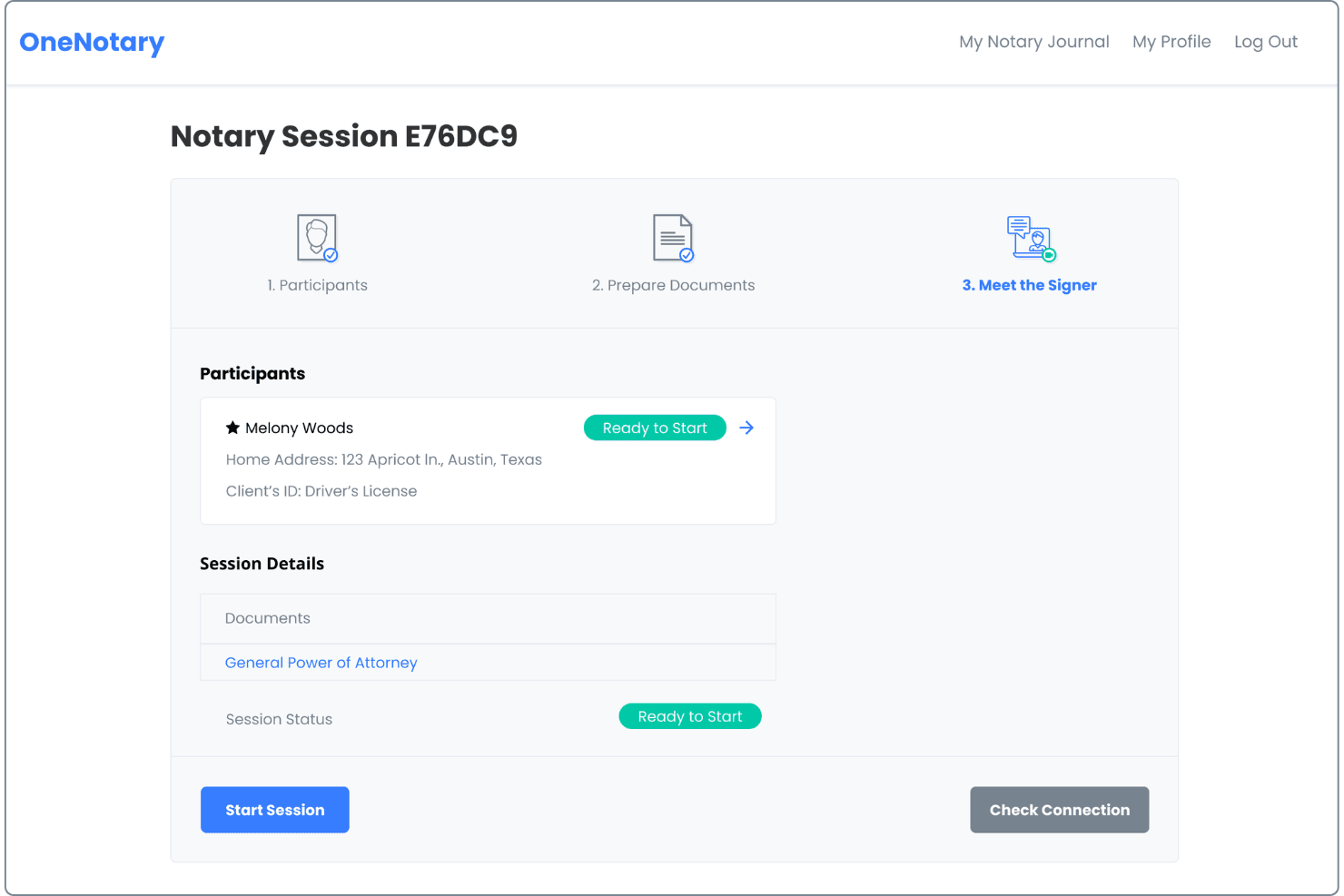
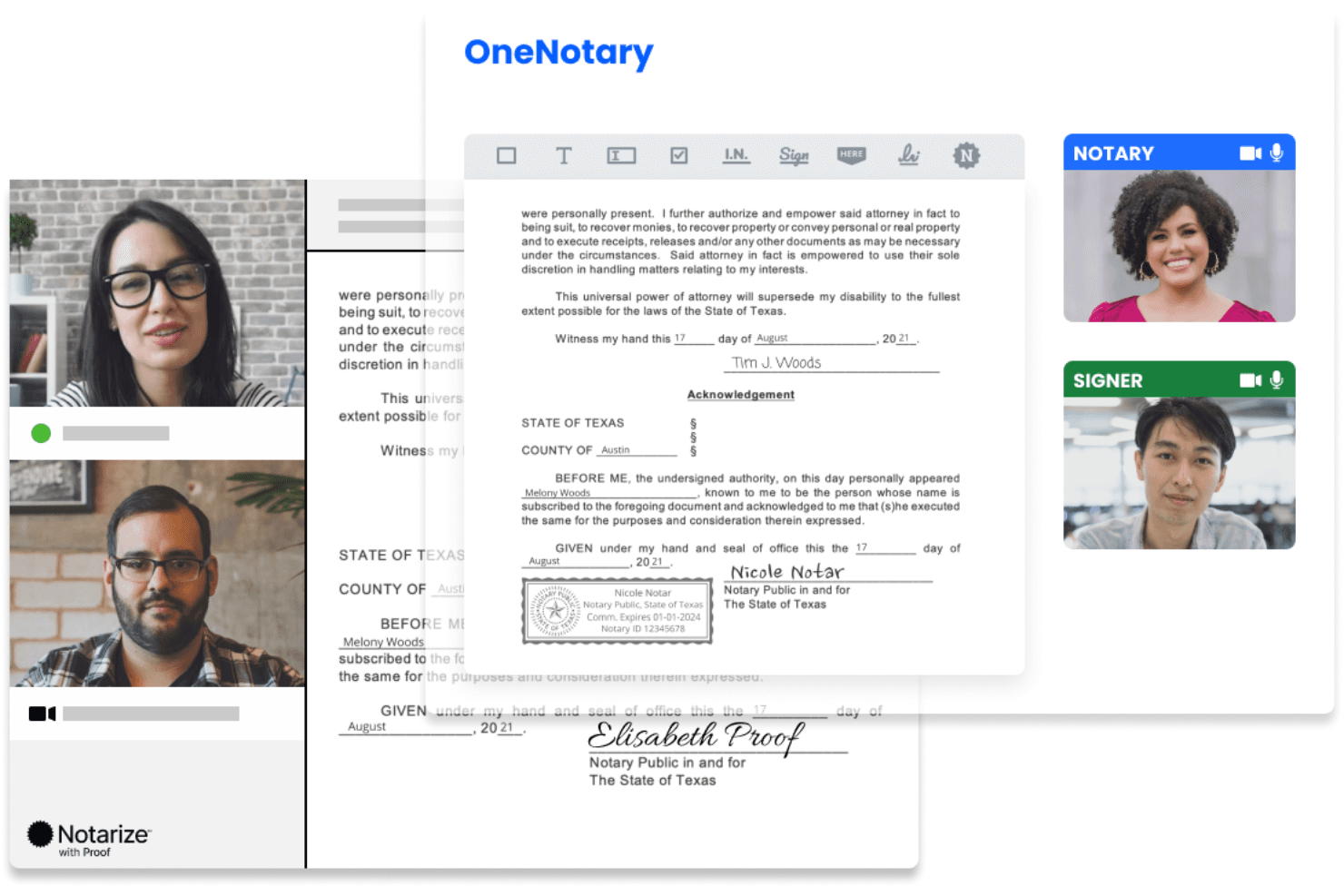
Conduct real-time notarizations with clients through secure video calls. This feature ensures compliance with remote online notarization laws and provides a clear record of the session.
ID Verification
Verify signer identities using government-issued IDs and automated checks. This reduces fraud risk and supports legal compliance for sensitive transactions.
Document Upload and Management
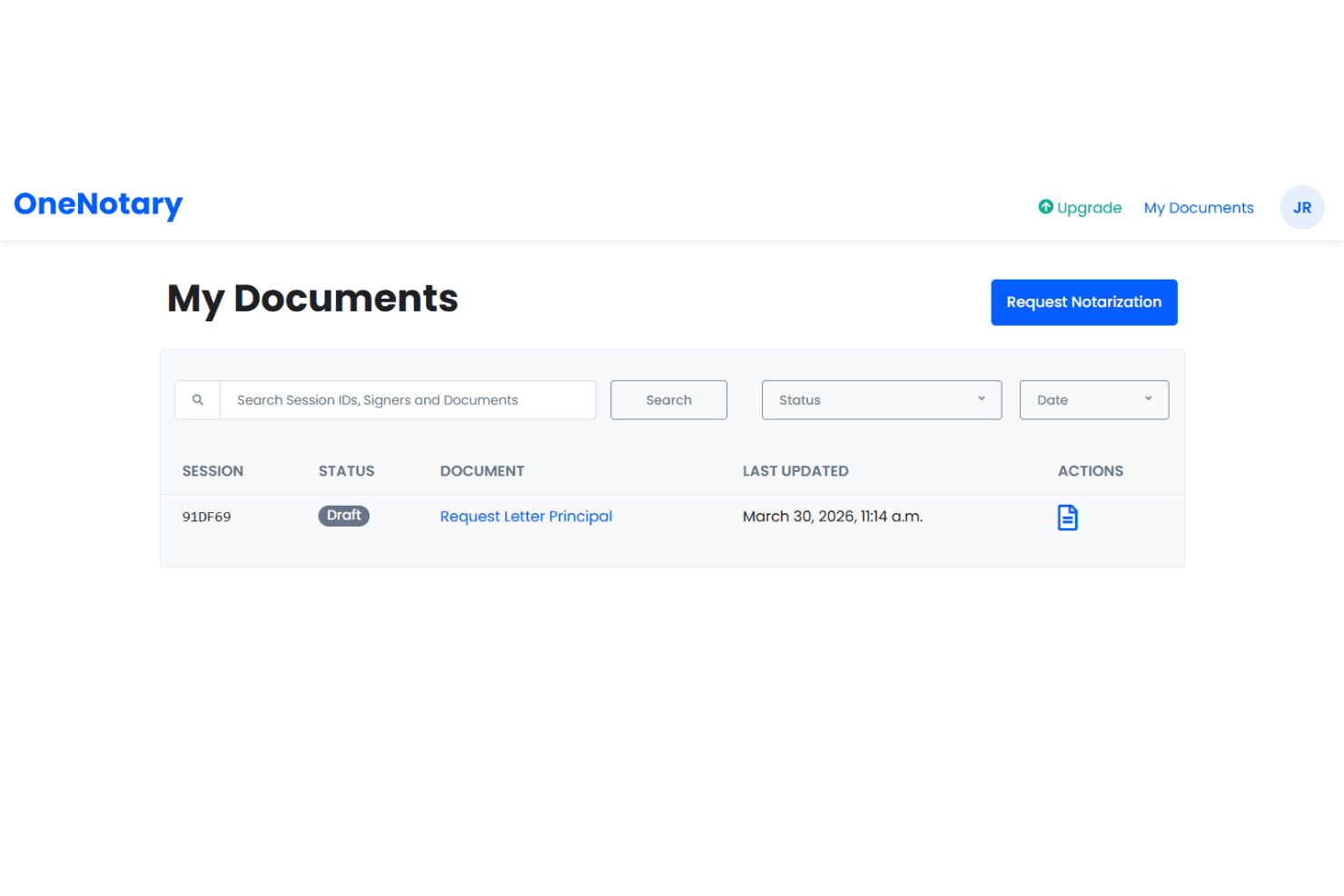
Upload, organize, and store documents within the platform for easy access. Users can track document status and download completed notarizations as needed.
Downloadable Audit Trails
Access detailed logs of every notarization, including timestamps and participant actions. These audit trails support regulatory requirements and internal recordkeeping.
Multi-Signer Support
Invite multiple signers to participate in a single notarization session. This is useful for real estate closings, business agreements, and other multi-party transactions.
Business Account Management
Set up team accounts, manage user permissions, and monitor activity from a centralized dashboard. This feature helps small firms and businesses coordinate notarizations across multiple staff members.
Ease of Use
OneNotary is widely recognized for its straightforward, intuitive interface that guides users step by step through the notarization process. Users report that onboarding is quick, with clear instructions and minimal setup required. The dashboard makes it easy to upload documents, schedule sessions, and track notarization status. Even first-time users can complete remote notarizations without confusion, making OneNotary a practical choice for those who want to avoid technical hurdles.
Integrations
OneNotary integrates with Clio, Freshdesk, and DocuSign.
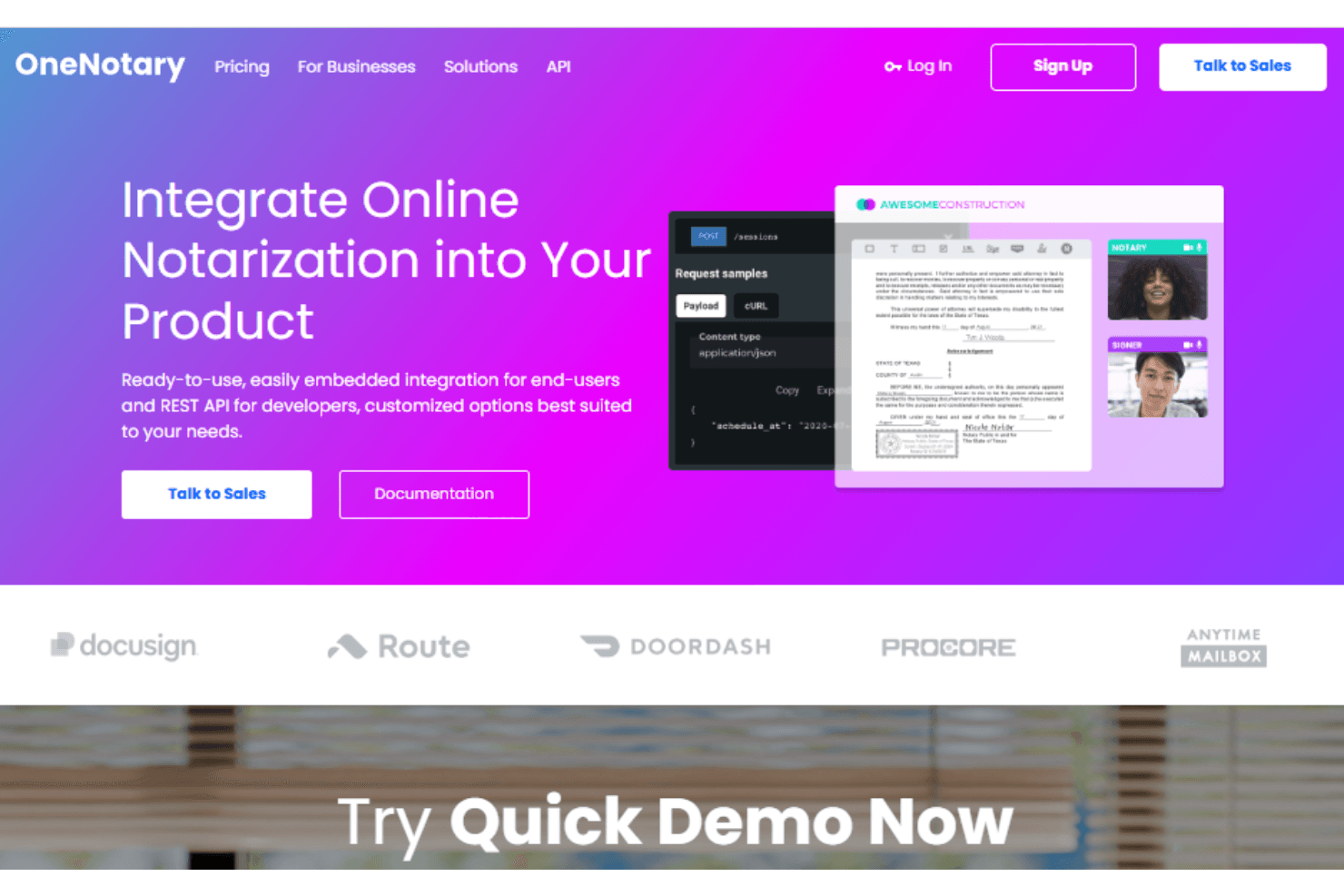
OneNotary offers a REST API for direct connections with third-party integration tools or for extended workflows.
OneNotary Specs
- 2-Factor Authentication: Yes
- API: Yes
- Approval Workflows: Yes
- Audit Trail: Yes
- Calendar Management: Yes
- Compliance Tracking: Yes
- Contract Management: Yes
- Custom Reports: No
- Customer Management: Yes
- Data Export: Yes
- Data Import: Yes
- Document Management: Yes
- External Integrations: Yes
- Multi-User: No
- NDA Management: Yes
- Notifications: Yes
- Policy Management: Yes
- Scheduling: Yes
- Workflow Management: Yes


