

Las 10 mejores herramientas alternativas a Clio para bufetes de abogados en 2026

10 Lista de las mejores alternativas a Clio


Los principales problemas que abordan estas herramientas son la gestión desorganizada de los casos, las prácticas de facturación ineficientes y la dificultad para gestionar las transacciones con tarjeta de crédito, desafíos comunes a los que he visto enfrentarse a muchos profesionales del derecho.
Tabla comparativa de alternativas a Clio
Esta tabla comparativa resume los detalles de precios de mis principales selecciones de alternativas a Clio:
| Tool | Best For | Trial Info | Price | ||
|---|---|---|---|---|---|
| 1 | La mejor opción para gestionar calendarios y citas | Prueba gratuita disponible | Precios previa solicitud | Website | |
| 2 | Mejor para la gestión segura de casos en la nube | Prueba gratuita de 7 días + demostración gratuita disponible | El precio de PracticePanther comienza desde $49/usuario/mes (facturado anualmente). | Website | |
| 3 | Mejor para pagos en línea sencillos y comunicación con clientes | Prueba gratuita de 10 días + demostración gratis disponible | El precio de MyCase parte de $49/usuario/mes. | Website | |
| 4 | Mejor para la gestión automatizada de relaciones con clientes | Demo gratuita disponible | Desde $59/usuario/mes (facturado anualmente) | Website | |
| 5 | Ideal para funciones avanzadas de gestión de proyectos | Prueba gratuita + demostración disponible | Precios a consultar | Website | |
| 6 | Ideal para integración fluida de facturación y contabilidad | Prueba gratuita + demo disponible | Desde $32/usuario/mes + $10 de tarifa base por mes | Website | |
| 7 | La mejor opción para contabilidad jurídica dedicada | Prueba gratuita de 10 días | El precio de CosmoLex empieza en $79/usuario/mes, facturado anualmente. | Website | |
| 8 | La mejor para aumentar la productividad con IA | Prueba gratuita de 10 días + demo gratuita disponible | La suscripción a Rocket Matter comienza en $65/usuario/mes (facturación anual). | Website | |
| 9 | Ideal para operaciones completas basadas en la nube | Demostración gratuita disponible | El precio de Actionstep comienza en $60/usuario/mes (facturado anualmente). | Website | |
| 10 | Ideal para una gestión completa de casos | Demostración gratuita disponible | Desde $69/usuario/mes (facturado anualmente) | Website |
Por qué confiar en nuestras recomendaciones de software
Nuestro equipo lleva probando y evaluando software desde 2012. Como líderes de despachos jurídicos, sabemos lo difícil —y lo importante— que es elegir el software adecuado.
Para esta guía, evaluamos las herramientas mediante pruebas prácticas e investigación independiente, puntuando las herramientas según nuestros criterios de selección.
Nuestras reseñas reflejan nuestro criterio editorial humano, no un discurso de ventas.
Opiniones sobre las mejores alternativas a Clio

8am
La mejor opción para gestionar calendarios y citas
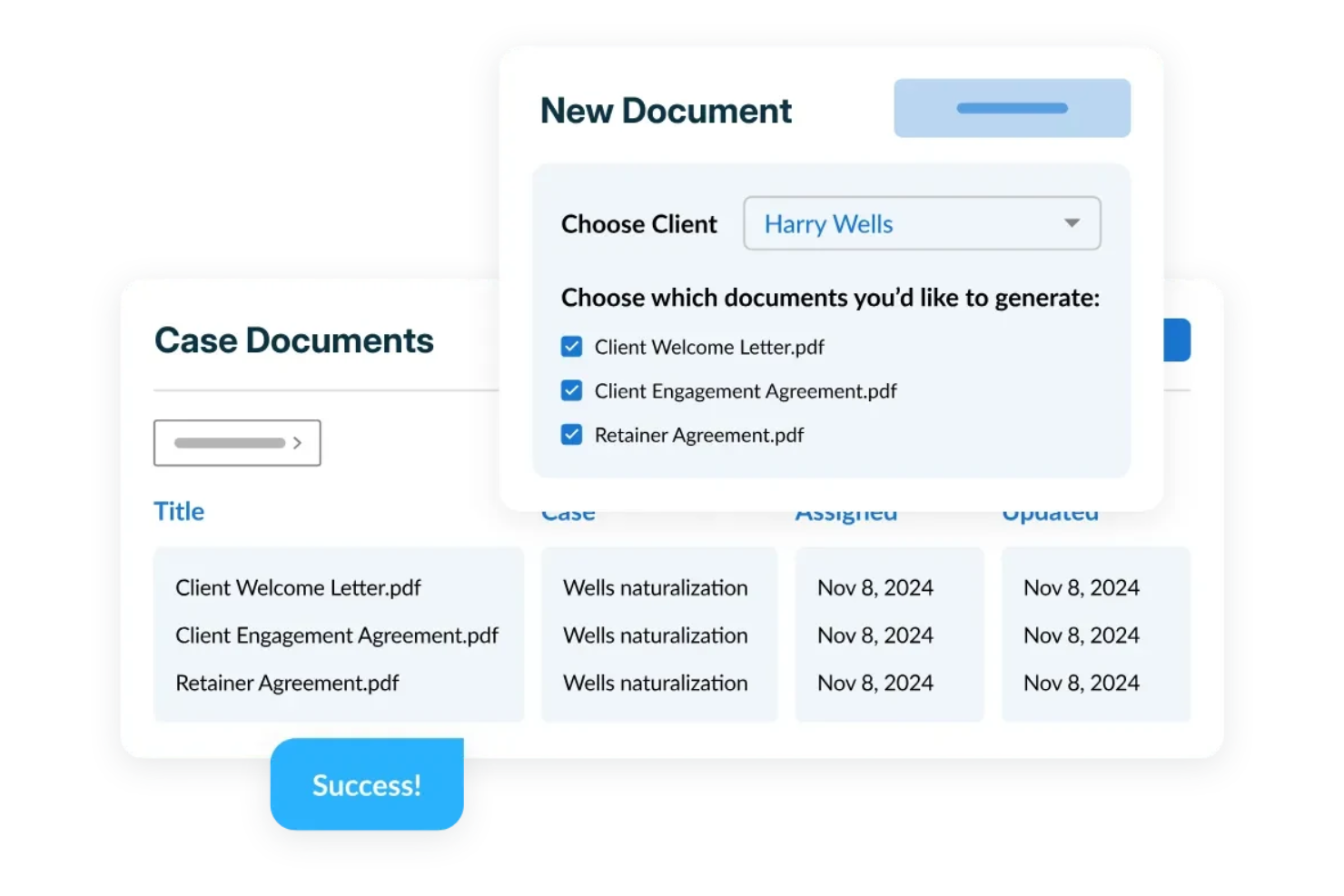
Las firmas de abogados que necesitan que sus abogados y personal de apoyo trabajen con la misma información de los casos encontrarán en MyCase una plataforma de gestión de prácticas jurídicas diseñada en torno a ese tipo de visibilidad para todo el equipo.
¿Para quién es más adecuado MyCase?
MyCase es adecuado para firmas de abogados en crecimiento en las que los abogados, asistentes jurídicos y personal de apoyo necesitan tener visibilidad sobre los mismos casos y las comunicaciones con los clientes.
Por qué MyCase es una buena alternativa a Clio
Elegí MyCase como una de las mejores alternativas a Clio por la estrecha conexión entre su gestión del calendario y la actividad real de los casos. La sincronización bidireccional con Google Calendar y Outlook significa que cualquier cambio realizado en cualquiera de los dos sistemas actualiza automáticamente el otro, por lo que los conflictos de programación no pasan desapercibidos. También valoro el seguimiento de plazos basado en la jurisdicción, que calcula automáticamente los plazos judiciales según las normas locales y los vincula directamente al expediente correspondiente.
Características principales de MyCase
- Portal seguro para clientes: Los clientes pueden iniciar sesión para consultar las novedades del caso, enviar mensajes, compartir documentos y programar citas sin intercambiar correos electrónicos.
- Desencadenadores de flujos de trabajo automatizados: Configura flujos de trabajo según el tipo de caso que generen automáticamente tareas y documentos cuando un asunto llegue a una etapa específica.
- Mensajería de texto integrada: Envía y recibe mensajes SMS con los clientes directamente desde un expediente, con todos los mensajes registrados automáticamente.
- Aplicación móvil: Accede a casos, contactos y documentos desde dispositivos iOS y Android cuando estés fuera de la oficina.
Integraciones de MyCase
MyCase ofrece más de 50 integraciones, incluidas Dropbox, Gmail, Google Calendar, Microsoft Outlook, InfoTrack, CallRail, Lawmatics, QuickBooks, LawToolBox y NetDocuments. También se conecta con Zapier y proporciona una API abierta para integraciones personalizadas.
Pros and Cons
Pros:
- Mensajería SMS integrada con los clientes
- Seguimiento automatizado de gastos y conciliación de tres vías
- Acceso al día siguiente a los fondos de pagos de clientes
Cons:
- Dificultades con archivos de vídeo y audio grandes
- Opciones limitadas de personalización de flujos de trabajo y campos

Mejor para la gestión segura de casos en la nube

PracticePanther es un software integral de gestión de despachos jurídicos conocido por sus capacidades seguras de gestión de casos en la nube. Al proporcionar cifrado robusto y completas herramientas de gestión de casos en un sistema basado en la nube, PracticePanther destaca por asegurar la seguridad y accesibilidad de los datos.
Por qué elegí PracticePanther: Elegí PracticePanther porque demuestra un fuerte compromiso con la seguridad, un atributo cada vez más importante en el panorama digital actual. Lo que distingue a PracticePanther es su cifrado avanzado para todos los datos almacenados y su disponibilidad del 99,99%. Por eso, considero a PracticePanther la mejor opción para despachos de abogados que priorizan una gestión de casos segura y basada en la nube.
Características destacadas e integraciones:
PracticePanther ofrece una amplia gama de funciones, incluyendo gestión de contactos, seguimiento del tiempo, facturación y gestión de documentos. Sin embargo, su característica más destacada es la función de gestión segura de casos, que incluye revisiones de conflictos, seguimiento de asuntos y administración de tareas. En cuanto a integraciones, PracticePanther puede vincularse con software esencial como Gmail, QuickBooks, Office 365 y Dropbox.
Pros and Cons
Pros:
- Medidas de seguridad de datos de alto nivel implementadas
- Ofrece amplias funciones para la gestión integral de casos
- Se integra bien con software ampliamente utilizado
Cons:
- El precio puede ser una barrera para despachos más pequeños
- Es necesario el pago anual para obtener el precio más bajo
- El software puede tener una curva de aprendizaje para algunos usuarios

MyCase
Mejor para pagos en línea sencillos y comunicación con clientes

MyCase es un software versátil de gestión de despachos jurídicos destacado por su sistema integrado de pagos en línea y sus eficaces herramientas de comunicación con clientes. Al ofrecer opciones de pago en línea sin complicaciones y fomentar la interacción directa con los clientes, MyCase justifica su posición como la mejor opción para estas necesidades en particular.
Por qué elegí MyCase: En mi proceso de selección, MyCase sobresalió por su doble funcionalidad. Mientras que muchas herramientas de gestión legal se centran en pagos o en comunicación, MyCase ha logrado combinar eficazmente ambos en una sola plataforma. Su sólido portal de clientes y su sistema de pagos integrado la convierten en una opción excepcional para despachos que buscan pagos en línea sencillos y comunicación fluida con los clientes.
Características destacadas e integraciones:
MyCase cuenta con varias funciones robustas, incluyendo gestión de tareas, seguimiento de casos y facturación. Sin embargo, destaca por su sistema de pagos integrado, que permite a los despachos aceptar pagos en línea, y su portal de clientes, que facilita una comunicación directa y organizada con los clientes. MyCase se integra bien con aplicaciones populares como QuickBooks, Dropbox y Outlook.
Pros and Cons
Pros:
- Integración eficaz de pagos en línea y comunicación con clientes en una misma plataforma
- Buena integración con aplicaciones de escritorio y móviles más comunes
- Herramientas completas de gestión de casos
Cons:
- La curva de aprendizaje puede resultar pronunciada para algunos usuarios
- El costo podría ser prohibitivo para firmas pequeñas
- Las opciones de personalización pueden ser limitadas en comparación con otras plataformas

Mejor para la gestión automatizada de relaciones con clientes

Lawmatics se especializa en marketing y gestión de relaciones con clientes (CRM) para firmas de abogados. Es una plataforma todo en uno donde los profesionales del derecho pueden gestionar la captación de clientes, el marketing y el CRM en una interfaz unificada.
Por qué elegí Lawmatics: En mi búsqueda de un software eficiente para la gestión de firmas legales, Lawmatics llamó mi atención por sus sólidas capacidades de gestión de relaciones con clientes. No se trata solo de gestionar detalles; Lawmatics destaca con sus funciones automáticas de CRM, atendiendo de manera efectiva las necesidades de los profesionales del derecho con agendas ocupadas.
Considero que es la mejor opción para la gestión automatizada de relaciones con clientes porque permite hacer el seguimiento de los clientes sin necesidad de ingreso manual de datos y garantiza que ningún detalle importante se pase por alto.
Características destacadas e integraciones:
Lawmatics ofrece una variedad de funciones como marketing por correo electrónico automatizado, formularios de admisión personalizados y análisis detallados de datos de clientes. Permite a los profesionales legales ofrecer una experiencia personalizada a los clientes y tomar decisiones basadas en datos. Además, se integra bien con plataformas de uso común como Mailchimp para campañas de correo electrónico, QuickBooks para contabilidad y Zapier para una automatización avanzada.
Pros and Cons
Pros:
- Sistema integral de gestión de relaciones con clientes
- Funcionalidades automáticas que ahorran tiempo y esfuerzo
- Integraciones avanzadas con plataformas populares
Cons:
- Algunas funciones pueden requerir una curva de aprendizaje
- Sin opción de pago mensual, solo anual
- Puede resultar caro para firmas pequeñas o profesionales independientes

Filevine
Ideal para funciones avanzadas de gestión de proyectos

Filevine se presenta como un software de gestión de casos con un enfoque en herramientas avanzadas de gestión de proyectos. Combina la organización de archivos de casos, la comunicación con clientes y la gestión de proyectos y documentos en una plataforma intuitiva, lo que la convierte en una opción ideal para firmas jurídicas que requieren funciones avanzadas de gestión de proyectos.
Por qué elegí Filevine: Al evaluar diferentes plataformas, elegí Filevine por sus excepcionales capacidades de gestión de proyectos. Estas funciones ofrecen a los usuarios la posibilidad de manejar casos legales complejos y tareas de forma eficiente. El extenso conjunto de funciones para la gestión de proyectos es lo que distingue a Filevine, lo que me llevó a considerarlo la mejor opción para firmas que requieren herramientas avanzadas de gestión de proyectos.
Funciones destacadas e integraciones:
Filevine ofrece funciones potentes como el seguimiento detallado del historial de casos, la automatización de documentos y la gestión de fechas límite. También ofrece plantillas de casos personalizables que se pueden adaptar a diferentes tipos de casos legales. En cuanto a integraciones, Filevine se conecta con plataformas populares como Google Calendar, Microsoft 365 y Dropbox para ofrecer un espacio de trabajo más integrado.
Pros and Cons
Pros:
- Funciones avanzadas de gestión de proyectos
- Plantillas de casos personalizables
- Amplia integración con plataformas populares
Cons:
- Precios no disponibles de inmediato
- Curva de aprendizaje para nuevos usuarios
- Funciones limitadas en los planes de nivel bajo

Tabs3
Ideal para integración fluida de facturación y contabilidad

Tabs3 proporciona soluciones de facturación legal, gestión de casos y finanzas para optimizar las operaciones de los despachos de abogados. Su punto fuerte radica en su capacidad para integrar de manera eficaz las tareas de facturación y contabilidad.
Por qué elegí Tabs3: Tabs3 ganó un lugar en mi lista por su excepcional habilidad para integrar la facturación y la contabilidad. Su punto de venta único es la conexión fluida entre estos dos aspectos cruciales de un despacho de abogados, que usualmente funcionan de forma aislada en otras plataformas.
Así, Tabs3 es una excelente opción para los despachos que buscan una solución financiera integral. Su cualidad destacada es su enfoque completo de la facturación y la contabilidad, por lo que es la mejor opción para quienes desean gestionar estas tareas desde una sola plataforma.
Características destacadas e integraciones:
Tabs3 ofrece una variedad de funciones, incluyendo cuentas por pagar y cobrar, libro mayor y gestión de fondos fiduciarios. Está diseñado para registrar y facturar el tiempo, gestionar clientes y asuntos, y mantener actualizadas las cuentas y finanzas. Las integraciones notables incluyen LawPay para el procesamiento seguro de pagos, CalendarRules para la programación basada en reglas de tribunales y Casemaker para investigación legal.
Pros and Cons
Pros:
- Gestión financiera integral
- Enfoque único en la integración de facturación y contabilidad
- Integraciones útiles con herramientas de procesamiento de pagos e investigación legal
Cons:
- Incluye tarifa base adicional por mes
- Curva de aprendizaje para usuarios principiantes
- La abundancia de funciones puede ser abrumadora para despachos pequeños

CosmoLex
La mejor opción para contabilidad jurídica dedicada

CosmoLex es un software de gestión de despachos jurídicos que reúne la gestión de casos, la facturación y la contabilidad legal especializada en una única plataforma. Este enfoque en la contabilidad específicamente diseñada para el sector legal le otorga a CosmoLex una posición única en el mercado y explica por qué es la mejor opción para quienes buscan funciones robustas de contabilidad jurídica.
Por qué elegí CosmoLex: Elegí CosmoLex debido a su atención integral a la contabilidad legal, un área a menudo pasada por alto por otros programas de gestión para despachos jurídicos. CosmoLex se diferencia al integrar tanto la contabilidad general como la de fondos en fideicomiso, manteniendo el cumplimiento con regulaciones específicas del sector legal. Dadas estas características únicas, considero que CosmoLex es el mejor para quienes necesitan funciones dedicadas de contabilidad jurídica.
Características destacadas e integraciones:
CosmoLex ofrece funciones como gestión de asuntos, gestión de documentos y seguimiento del tiempo y los gastos, pero su característica más sobresaliente es el módulo integrado de contabilidad legal. Esto incluye un sistema integrado de contabilidad empresarial y de fondos en fideicomiso que cumple con regulaciones específicas del ámbito legal. Se integra con aplicaciones reconocidas como LawPay, DropBox, Office 365 y QuickBooks, lo que lo convierte en una herramienta aún más eficiente para despachos jurídicos.
Pros and Cons
Pros:
- Sistema dedicado de contabilidad legal
- Gestión integral de asuntos y documentos
- Integración fluida con aplicaciones clave
Cons:
- El precio puede ser elevado para despachos pequeños
- Requiere un compromiso anual para acceder a la tarifa más baja
- Puede tener más funciones de las necesarias para profesionales independientes

La mejor para aumentar la productividad con IA

Rocket Matter es una herramienta de gestión para despachos jurídicos diseñada para ayudar a los bufetes a aumentar su eficiencia y rentabilidad. La plataforma destaca por incorporar tecnología de IA para automatizar tareas repetitivas, lo que la convierte en la opción perfecta para las firmas que buscan mejorar su productividad.
Por qué elegí Rocket Matter: Elegí Rocket Matter debido a su adopción e integración temprana de la tecnología de IA en su software de gestión para despachos. Esta decisión la diferencia de otras plataformas al automatizar tareas rutinarias, reducir errores humanos y liberar tiempo para los usuarios. Por eso considero que Rocket Matter es la mejor herramienta para los despachos que quieren incrementar su productividad con la ayuda de la IA.
Características y compatibilidades destacadas:
Rocket Matter sobresale en áreas como la gestión documental, la facturación y el seguimiento de tareas. Sin embargo, su función de inteligencia artificial, Rocket Project Management, se lleva el protagonismo al proporcionar flujos de trabajo automatizados y capacidades de predicción. En cuanto a compatibilidades, Rocket Matter funciona perfectamente con programas populares como Dropbox, Evernote, QuickBooks Online y Office 365, lo que aumenta aún más su valor.
Pros and Cons
Pros:
- IA integrada para aumentar la productividad
- Amplio conjunto de funciones, incluyendo gestión de tareas y facturación
- Sólida integración con otros programas populares
Cons:
- El precio puede ser prohibitivo para despachos pequeños
- Requiere compromiso anual para asegurar el precio más bajo
- Tiene una curva de aprendizaje debido a la gran cantidad de funciones

Ideal para operaciones completas basadas en la nube
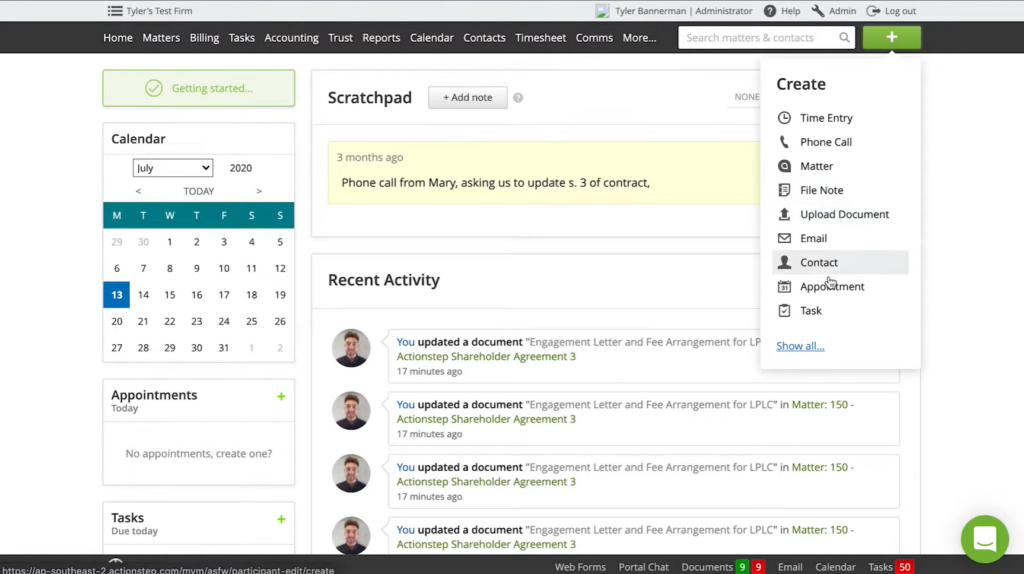
Actionstep es un software completo de gestión para despachos jurídicos que funciona en la nube, ofreciendo un conjunto integral de herramientas para apoyar las operaciones legales. El software ayuda a optimizar los flujos de trabajo de los despachos de abogados unificando la gestión de documentos, CRM, correo electrónico, control del tiempo, facturación y más, lo que lo hace especialmente adecuado para operaciones en la nube con funcionalidades completas.
Por qué elegí Actionstep: Al hacer mi elección, consideré que Actionstep sobresale por sus completas funciones basadas en la nube. Ofrece una plataforma todo en uno para despachos de abogados, lo que resulta conveniente para las operaciones legales. Dada su naturaleza basada en la nube y su amplia gama de características, considero que Actionstep es la mejor opción para despachos que buscan operaciones completas en la nube.
Funciones y integraciones destacadas:
Las funciones importantes de Actionstep incluyen una robusta automatización de flujos de trabajo, que permite automatizar tareas administrativas y, por lo tanto, ahorrar tiempo y reducir errores. Además, cuenta con un potente sistema de gestión de documentos que facilita la organización de documentos legales clave. Se integra perfectamente con una variedad de aplicaciones de terceros como Microsoft Office, Xero e InfoTrack.
Pros and Cons
Pros:
- Solución integral basada en la nube
- Funciones sólidas de automatización de flujos de trabajo
- Integraciones con aplicaciones populares de terceros
Cons:
- Curva de aprendizaje pronunciada para nuevos usuarios
- Costo más alto en comparación con algunos competidores
- Se requiere compromiso anual para el precio más bajo

AbacusLaw
Ideal para una gestión completa de casos

AbacusLaw ofrece una solución integral para la gestión de despachos jurídicos con un fuerte enfoque en la gestión de casos. Sus capacidades robustas garantizan la organización eficiente de todos los detalles relacionados con los casos, lo que lo hace ideal para los bufetes de abogados.
Por qué elegí AbacusLaw: Elegí AbacusLaw por sus completas funciones de gestión de casos que lo distinguen de otras herramientas. Ofrece una solución global que cubre todas las necesidades de gestión de casos de un despacho jurídico. La herramienta destaca por proporcionar un sistema eficiente para organizar y administrar los detalles de los casos, convirtiéndola en la mejor opción para los bufetes que necesitan gestionar un gran volumen de casos.
Funciones destacadas e integraciones:
AbacusLaw proporciona una amplia gama de características, incluyendo calendario, automatización de documentos y un portal de clientes robusto. Sus integraciones con Microsoft Office 365 y Abacus Payment Exchange agilizan el flujo de trabajo.
Pros and Cons
Pros:
- Funciones integrales de gestión de casos
- Integración con Microsoft Office 365
- Portal de clientes robusto
Cons:
- La interfaz de usuario puede mejorarse
- La configuración puede llevar tiempo
- Más caro en comparación con algunos competidores
Otras herramientas alternativas a Clio
A continuación se incluye una lista de alternativas adicionales a Clio que seleccioné, pero que no llegaron a estar entre las 12 mejores. Sin duda, merece la pena echarles un vistazo.
- CARET Legal (Zola Suite)
Ideal para una plataforma de gestión de prácticas todo en uno
- LeanLaw
La mejor integración con QuickBooks Online
- Bill4Time
Ideal para el seguimiento del tiempo y la facturación de manera intuitiva
- Practice Master
Adecuado para bufetes de abogados australianos que necesitan soluciones de software localizadas


Opiniones relacionadas sobre herramientas jurídicas
- Herramientas gratuitas de investigación jurídica
- Software de gestión de despachos jurídicos
- Software de gestión de documentos jurídicos
- Software de gestión para pequeños despachos jurídicos
Cómo evalúo las alternativas a Clio
Evalúo las alternativas a Clio en dos niveles: los requisitos básicos que debe cumplir toda herramienta de gestión de despachos, como la contabilidad fiduciaria y el seguimiento de asuntos, y los elementos diferenciadores que las distinguen.
Funcionalidad principal (requisitos básicos para esta lista)
Al seleccionar herramientas para mi lista, califico cada una en una escala de 0 (no ofrece la funcionalidad) a 5 (sobresale en esta área) para cada una de las funcionalidades principales que se indican a continuación. Después, convierto la puntuación total de la herramienta en un porcentaje. Cada herramienta debe alcanzar una puntuación total mínima del 65 % para ser considerada para su inclusión.
- Gestión de asuntos y casos: Busco registros de asuntos estructurados en los que se puedan organizar contactos, notas, documentos y asuntos relacionados, de forma similar a cómo PracticePanther y CosmoLex gestionan la organización de casos.
- Seguimiento del tiempo y facturación jurídica: Toda herramienta debería admitir varios modelos de facturación (por hora, tarifa fija y contingencia) y permitir que los abogados registren el tiempo mediante cronómetros, entradas del calendario o registros manuales.
- Contabilidad fiduciaria y de IOLTA: Compruebo si la plataforma gestiona conciliaciones de tres vías y mantiene correctamente separados los fondos fiduciarios de los clientes de las cuentas operativas dentro del software.
- Gestión y automatización de documentos: Las opciones más sólidas ofrecen generación de documentos basada en plantillas con campos de combinación, para que los abogados puedan crear cartas de contratación o escritos sin tener que empezar desde cero cada vez.
- Captación de clientes y CRM: Evalúo cómo cada herramienta captura clientes potenciales, dirige los formularios de admisión y realiza comprobaciones de conflictos, pasos clave que determinan la rapidez con la que un bufete puede incorporar nuevos clientes.
- Calendario y seguimiento de plazos: En este caso, busco un calendario basado en las normas judiciales, en el que la herramienta calcule automáticamente los plazos de presentación y genere cadenas de tareas vinculadas basadas en normas específicas de cada jurisdicción.
Una vez que tengo una lista de herramientas que cumplen estos criterios, considero qué distingue a cada plataforma.
Factores diferenciadores (qué distingue a los proveedores)
Así es como comparo y contrasto los distintos proveedores:
Funciones destacadas
Un portal seguro para clientes cambia la forma en que los bufetes interactúan con ellos: compartir documentos, recopilar firmas electrónicas y aceptar pagos sin intercambios constantes de correos electrónicos. También evalúo si una plataforma incluye contabilidad nativa del libro mayor, ya que herramientas como CosmoLex eliminan la necesidad de configurar QuickBooks o Xero por separado. Las capacidades de AI también son importantes en este aspecto. Compruebo si una herramienta ofrece captura automatizada del tiempo o redacción de documentos para reducir el trabajo administrativo al que se enfrentan los abogados a diario.
Más allá de las funciones
La transparencia de precios es importante al evaluar alternativas a Clio. Compruebo si los proveedores limitan funciones clave, como la contabilidad fiduciaria, a planes superiores, lo que puede aumentar rápidamente los costes de los bufetes en crecimiento. La profundidad de las integraciones es otro factor: las herramientas que se conectan con Westlaw, LawPay y Microsoft 365 se integran en los flujos de trabajo jurídicos existentes sin obligar a renovar por completo toda la plataforma tecnológica. El soporte para la migración también tiene mucho peso, ya que cambiar de Clio implica trasladar años de datos de asuntos, documentos e historial de facturación a una nueva plataforma.
¿Por qué buscar una alternativa a Clio?
Buscar una alternativa a Clio puede ser una decisión estratégica para los despachos que desean optimizar sus soluciones de gestión. Aunque Clio es popular y completo, puede que no se ajuste a las necesidades específicas, el presupuesto o las preferencias de todos los despachos jurídicos. Algunos usuarios consideran que su interfaz no es intuitiva o que sus funciones son abrumadoras, lo que provoca que no aprovechen plenamente sus capacidades.
Además, diversificar las opciones de software permite a los despachos beneficiarse de funciones únicas, precios competitivos y distintas opciones de integración disponibles en otras plataformas. Por tanto, explorar otras opciones puede conducir a una solución adaptada a las necesidades operativas específicas de cada despacho.
Preguntas más frecuentes sobre las mejores alternativas a Clio para su bufete de abogados (FAQ)
¿Cuáles son las ventajas de utilizar software de gestión de la práctica jurídica como los enumerados anteriormente?
Existen varias ventajas de utilizar este tipo de herramientas. En primer lugar, pueden agilizar el flujo de trabajo dentro de un bufete de abogados mediante la automatización de tareas rutinarias. En segundo lugar, permiten almacenar de forma segura los documentos de los casos y acceder a ellos fácilmente.
En tercer lugar, facilitan el seguimiento preciso de las horas facturables y simplifican el proceso de facturación. En cuarto lugar, proporcionan canales de comunicación seguros con los clientes a través de portales de clientes integrados. Por último, la mayoría de estas herramientas ofrecen versiones móviles, lo que proporciona la flexibilidad necesaria para trabajar desde cualquier lugar.
¿Cuánto cuestan estas herramientas de gestión de la práctica jurídica?
El coste de estas herramientas puede variar considerablemente en función de las características, la escala y las necesidades específicas de su bufete.
¿Cuáles son los modelos de precios de estas herramientas?
La mayoría de las herramientas de gestión de la práctica jurídica utilizan un modelo de precios por suscripción, normalmente por usuario y mes. Suelen ofrecer varios niveles de precios, cada uno con un conjunto diferente de características. Algunas también ofrecen suscripciones anuales con una tarifa reducida.
¿Cuál es el rango de precios habitual de estas herramientas?
Aunque los precios pueden variar, el rango habitual es de $20 a $100 por usuario/mes. Esta variación depende en gran medida del número de características y del nivel de servicio proporcionado.
¿Qué software es el más barato y cuál el más caro?
De la lista anterior, CaseFox suele ser una de las opciones más asequibles, con precios desde tan solo $10/usuario/mes. En el otro extremo del espectro, herramientas como SmartAdvocate son más caras, con precios a partir de aproximadamente $80/usuario/mes.
¿Existen alternativas gratuitas a Clio?
Hay algunas herramientas de gestión de la práctica jurídica que ofrecen un plan gratuito, pero normalmente tienen funciones limitadas. Lawcus es un ejemplo de herramienta que ofrece un nivel gratuito, pero tenga en cuenta que, para disfrutar de todas sus funcionalidades, normalmente es necesario contratar un plan de pago.
¿Merece la pena invertir en estas herramientas?
Sin duda, la automatización y la eficiencia que proporcionan estas herramientas pueden ahorrar una cantidad considerable de tiempo y reducir el riesgo de errores, lo que las convierte en una inversión valiosa. También pueden ofrecer una experiencia más profesional a sus clientes, lo que puede contribuir a su satisfacción y fidelización.
¿Pueden estas herramientas sustituir al personal administrativo?
Aunque estas herramientas pueden automatizar muchas tareas administrativas, no pueden sustituir por completo al personal humano. Están diseñadas para ayudar y agilizar las tareas, no para reemplazar el servicio personalizado que puede proporcionar el personal administrativo. Se trata de aumentar el esfuerzo humano, no de sustituirlo.